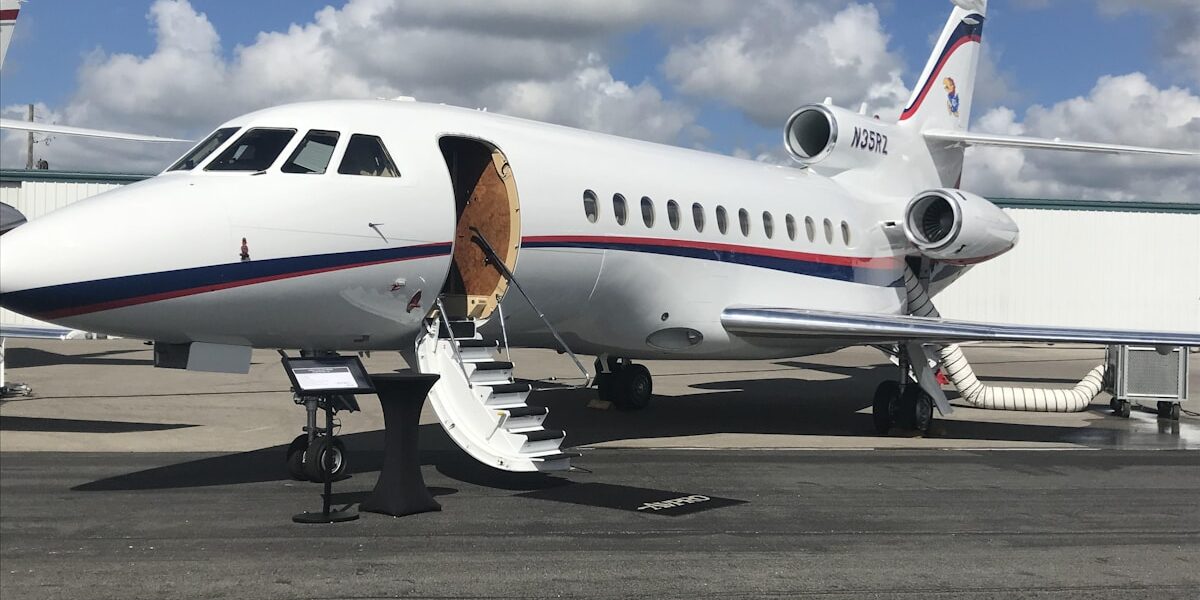
I started looking into it about a year ago when I got serious about owning rather than renting, and Lone Mountain Aviation kept coming up in conversations with people who’d actually gone through the process. So I dug in and learned what they’re about.
Who They Are
Lone Mountain Aviation — sometimes referred to as Lone Mountain Aircraft — is based in Henderson, Nevada. They specialize in sales, brokerage, and acquisition of pre-owned aircraft, mainly in the general aviation space. Their clients range from individual buyers getting their first plane to small businesses and flight schools building or updating a fleet. the thing that sets them apart from random online aircraft listings is that they actually vet what they sell. There’s a human involved who knows what they’re looking at, not just a photo gallery and a price tag.
How They Got Started
The founders saw a gap in the pre-owned aircraft market. A lot of buyers, especially first-timers, were getting overwhelmed by the process — inspections, paperwork, negotiations, title searches, the whole mess. So they built a business around making that easier. Transparency and client satisfaction were the pitch from day one, and based on the reputation they’ve built, it seems to have stuck. They grew mostly through word of mouth in the general aviation community, which tells you something.
What They Sell
Their inventory leans toward popular general aviation models. Think Cirrus, Cessna, and Piper — the brands you see at basically every regional airport in America.
- Cirrus aircraft: The SR22 in particular is a big seller for them. Cirrus has a reputation for innovation and safety features like the whole-airframe parachute system, and those planes hold their value well. If you’re shopping for an SR22, these folks usually have several available.
- Cessna aircraft: Everything from trainers like the 172 to more capable models. Cessnas are the Toyota Camry of general aviation — reliable, everywhere, and parts are never hard to find. Good for newer pilots and experienced ones alike.
- Piper aircraft: A broader range here, from trainers to light twins. Pipers tend to attract buyers who want versatility without breaking the bank, at least relative to some other brands.
The brokerage side is where they act as the go-between for buyers and sellers. If you’re new to aviation and the idea of negotiating a six-figure aircraft purchase makes your palms sweat, having a broker handle that is genuinely helpful. They manage the back-and-forth, handle the paperwork, and generally keep the deal from falling apart over misunderstandings.
Acquisition Services
This is slightly different from browsing their inventory. If you want a specific aircraft — say, a 2018 Cirrus SR22T with a certain avionics package — their acquisition team will go find it for you. They tap into industry networks, track down leads, negotiate on your behalf, and handle inspections and paperwork. I talked to a guy at my local airport who used this service and he said it saved him months of searching on his own. That’s what makes Lone Mountain notable to a lot of buyers — they do the legwork you probably don’t have time for.
Inspections and Maintenance
Buying an airplane isn’t like buying a car where you kick the tires and check the Carfax. Aircraft inspections are serious business. Lone Mountain partners with certified A&P mechanics and inspection shops to do thorough pre-purchase evaluations. These cover the engine, airframe, avionics, logbooks — basically everything that matters. You get a detailed report before you commit to anything.
They also offer ongoing maintenance support after the sale, which is nice because owning an aircraft means owning an ongoing maintenance schedule. Annual inspections, unexpected squawks, engine reserves — it adds up, and having someone who already knows your airplane makes the process less painful.
The Client Experience
From what I’ve gathered talking to people and reading reviews, the client-first approach isn’t just marketing. They apparently spend real time educating buyers, especially first-time owners, about what aircraft makes sense for their mission and budget. I sat in on an online seminar they hosted about aircraft ownership costs and it was legitimately useful — they didn’t sugarcoat the expenses, which I appreciated. A lot of brokers will tell you what you want to hear to close the deal. These guys seemed more interested in making sure you don’t buy the wrong plane.
Tech and How They Operate
Aviation is evolving on the technology front and Lone Mountain has kept up. They use modern diagnostic tools for evaluating aircraft performance and a digital inventory system that stays updated in real time. That last part matters more than you’d think — nothing worse than calling about a plane and finding out it sold three weeks ago but nobody updated the listing. Their communication setup also lets brokers and clients stay in contact throughout the buying process without everything going through phone tag.
Their Network
One of the advantages of working with an established broker is access to their connections. Lone Mountain has relationships with manufacturers, maintenance shops, insurance providers, and other players in the aviation world. That network means they can sometimes find deals or opportunities that you wouldn’t stumble across browsing Controller or Trade-A-Plane on your own. It also helps when you need a recommendation for a shop or an insurance quote — they can point you in the right direction.
Education and Outreach
They put out educational content — seminars, webinars, articles — covering topics from aircraft ownership basics to pilot training resources. This isn’t just a sales funnel thing. Some of the material is genuinely useful for people who are years away from buying. I read a few of their articles on ownership costs and insurance and came away feeling like I understood the real numbers better. Making aviation feel more accessible to people who are curious but intimidated is something the industry needs more of, honestly.
Community Involvement
Lone Mountain sponsors pilot associations, aviation events, and partnerships with schools and universities. They’ve funded scholarships for aspiring pilots, which is the kind of thing that builds goodwill beyond just selling airplanes. The general aviation community is relatively small and word travels fast, so companies that give back tend to be remembered and recommended.
Challenges in the Market
The pre-owned aircraft market isn’t always smooth sailing. Economic shifts affect pricing, new regulations create compliance headaches, and environmental pressures are pushing the industry toward cleaner technology. Lone Mountain seems to be aware of all this. They stay current on regulatory changes so their clients don’t get caught off guard, and they’ve been paying attention to the sustainability conversation happening across aviation. Whether that means electric aircraft in their inventory someday, who knows — but at least they’re not ignoring it.
If you’re seriously considering buying a pre-owned aircraft, talking to a broker like Lone Mountain is worth your time even if you don’t end up buying from them. The education alone is worth the phone call. And if you do buy, having someone in your corner who actually knows the market can save you money, time, and a lot of stress. That’s not nothing in a purchase this size.
Recommended Aviation Gear
David Clark H10-13.4 Aviation Headset – $376.95
The industry standard for aviation headsets.
Pilots Handbook of Aeronautical Knowledge – $25.42
Essential FAA handbook for every pilot.
As an Amazon Associate, we earn from qualifying purchases.


Stay in the loop
Get the latest airport pin updates delivered to your inbox.