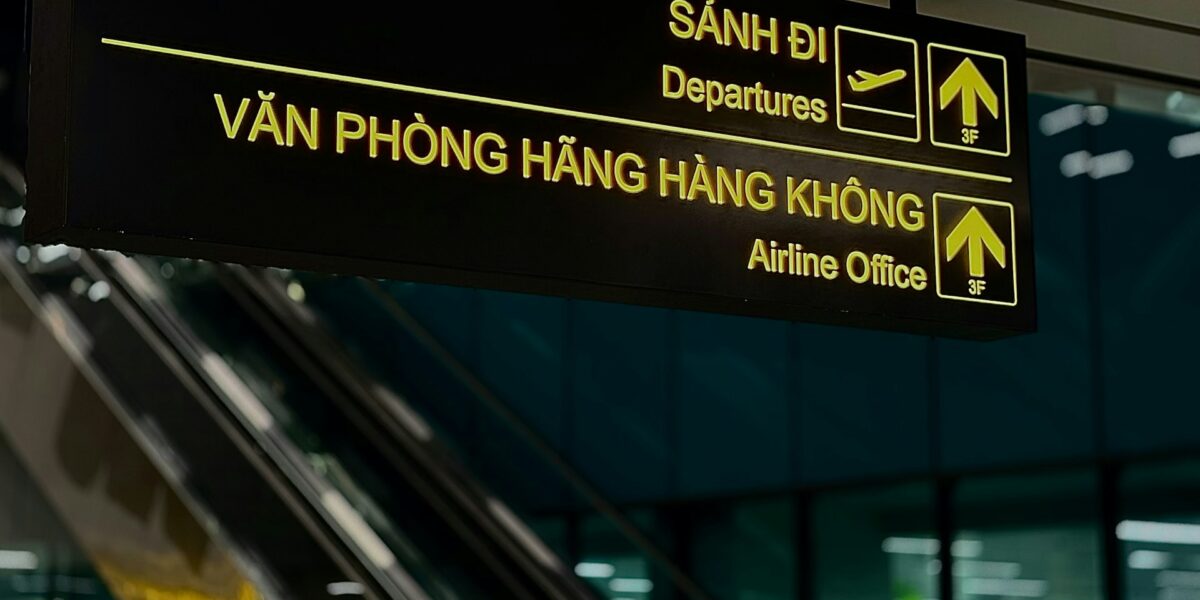
If you’re confused about whether it’s McCarran or Harry Reid International Airport, you’re not alone. I showed up for a work conference last year and my cab driver still called it McCarran. The official rename happened in December 2021 to honor former Senate Majority Leader Harry Reid, but old habits die hard around here. Either way, it’s the same airport, and it’s the main gateway to everything Las Vegas.
I’d been to Vegas twice before, but both times I was so focused on getting to my hotel that I didn’t really pay attention to the airport itself. This last trip was different. My ride was late, I had time to kill, and I ended up wandering around enough to actually form some opinions.
Location Is Hard to Beat
Harry Reid International sits just a few miles south of downtown Las Vegas, and it’s absurdly close to the Strip. Like, you can see the hotels from the terminal windows. That proximity is one of the best things about it. Coming from cities where the airport is a 45-minute ride from anything interesting, being able to get to your hotel in fifteen minutes feels almost unfair.
The airport is right next to I-15, so car access is straightforward. The Regional Transportation Commission of Southern Nevada runs buses to and from the airport too, if you’d rather not deal with a rental or rideshare right away.
Two Terminals, Thirty Airlines
the airport has two terminals. Terminal 1 handles domestic flights. Terminal 3 handles international flights and some domestic ones. Between the two, around thirty airlines operate here, including American, Delta, and Southwest. Terminal 3 also has long-haul international routes to Europe and Asia, which I didn’t realize until I saw the departure board and noticed a flight to London.
The terminals are big but manageable. I didn’t feel lost at any point, though I did take one wrong turn trying to find the Centurion Lounge. More on that in a second.
Security and Check-In
TSA standards apply, as you’d expect. Multiple checkpoints spread across the terminals, modern scanning equipment, the usual routine. A lot of airlines have self-check-in kiosks, which I always use because I’d rather tap a screen than stand in line. If you’ve got TSA PreCheck or CLEAR, the expedited lines are available and they make a real difference during peak hours. Vegas airports at peak hours are something else entirely. I once waited forty minutes in a regular security line on a Sunday evening. Never again. Got PreCheck the following month.
Food, Shops, and Killing Time
The dining options are decent. A mix of chains you’ll recognize and local places that are actually worth trying. I had tacos at a spot in Terminal 1 that were genuinely good — not just “good for airport food” but actually good. Retail shops cover everything from souvenirs to higher-end brands. Free Wi-Fi works throughout the terminal, and there are plenty of charging stations and outlets built into the seating areas. My phone was at 8% when I landed, and I found a charging spot within two minutes of sitting down.
The Lounges Are a Highlight
I finally found the Centurion Lounge by American Express in Terminal 1 after that wrong turn, and it was worth the search. Quiet space, comfortable seating, complimentary food and drinks, and a general atmosphere that makes you forget you’re in an airport. Delta and United also operate their own lounges for their respective members. If you’ve got lounge access through any credit card or airline program, use it here. Vegas airports can be loud and crowded, and having a calm spot to sit makes a noticeable difference.
Parking and Ground Transportation
Parking options include short-term, long-term, economy, and valet. There’s a separate facility for car rentals that houses a bunch of agencies all in one spot. Taxis line up outside the terminal, and Uber and Lyft have designated pickup areas that are well-signed. Airport shuttles round out the options. I’ve used rideshare every time and the wait has never been more than five or six minutes, even late at night.
The Environmental Angle
The airport has been making sustainability moves — energy-efficient lighting, recycling programs, solar panels on the property, support for alternative fuel vehicles. I noticed some of the signage about their green initiatives while walking through the terminal. It’s not something most travelers think about, but for an airport this size handling this much traffic, those investments add up over time.
Hotels Nearby
There are plenty of hotels within a few minutes of the airport if you need to crash before or after a flight. Hyatt, Marriott, and other well-known chains are close by, and many of them run free shuttles to the terminal. Of course, if you’d rather head straight to the Strip, that’s a short drive too. That’s what makes Harry Reid a solid airport — everything is close. The city basically starts at the terminal door.
The Money Behind It All
Harry Reid International contributes billions to the local economy annually. Tens of thousands of jobs depend on its operations, from airline crews to the people working the concession stands. The tourism industry that Las Vegas runs on depends heavily on this airport moving people in and out efficiently. Expansion projects are ongoing to keep up with growing passenger numbers, including terminal upgrades and new concourse space.
I left Vegas after that conference with a lighter wallet and a new appreciation for how well the airport works. It’s not perfect — the crowds during peak times can be rough and the slot machines in the terminal are a noise I didn’t need at 6 AM — but as a gateway to one of the most visited cities in the world, Harry Reid International does its job well. If you’re planning a trip, just remember: it’s not McCarran anymore, your cab driver might disagree, and the tacos in Terminal 1 are legit.




Stay in the loop
Get the latest airport pin updates delivered to your inbox.