New Hampshire Airports Guide
I flew into New Hampshire for the first time about three years ago, and I remember being surprised by how many airport options there were for a state that size.
Manchester-Boston Regional Airport
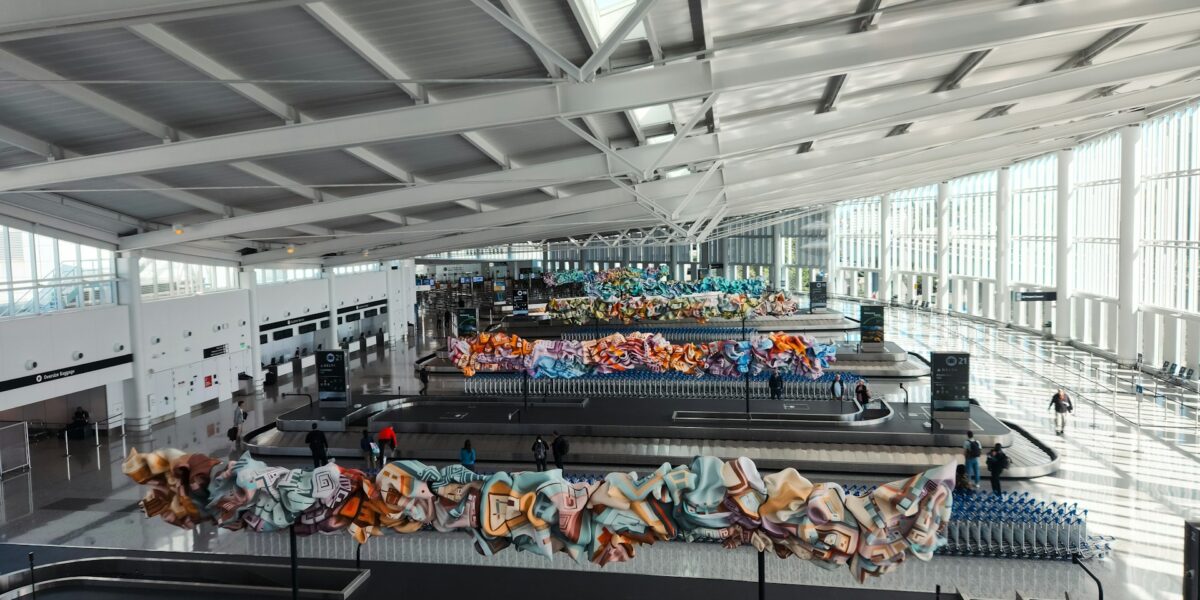
Manchester-Boston Regional Airport, or MHT if you want the code, is the big one. It’s the largest airport in the state and it sits right near Manchester, which is New Hampshire’s most populated city. A lot of people use it as an alternative to Boston’s Logan International because — and I speak from experience here — dealing with Logan during holiday travel is an exercise in patience I don’t always have.
MHT is significantly smaller and easier to navigate than Logan, which means shorter security lines, quicker check-ins, and way less stress overall. I’ve had flights where I showed up forty minutes before boarding and still had time to grab a coffee. Try that at Logan and you’ll miss your plane.
MHT Flight Services and Where You Can Go
Airlines like Southwest and Delta operate out of Manchester, running routes to major hubs like Atlanta, Chicago, and Washington D.C. It’s mostly domestic service, catering to both business travelers and leisure flyers. During certain seasons they’ll add vacation routes, which is nice if you’re looking to escape the New England cold for a week or two.
The airport draws people who want to avoid the larger crowds at metropolitan airports. Its smaller size means quicker processing all around, and frequent flyers I’ve talked to say they rarely have a bad experience there. The convenience factor alone makes it worth considering even if Manchester isn’t your final destination.
What MHT Offers Inside
They’ve upgraded the place over the years. Free Wi-Fi, a decent selection of food options, car rental counters, and — this was a nice surprise when I was there with my niece — dedicated play areas for kids. The layout is pretty intuitive with clear signage, so even if it’s your first time there, you’re not going to get lost. Which is more than I can say for some airports I’ve been in.
Getting To and From Manchester
Ground transportation is easy. Shuttles, taxis, ride-shares — the usual options are all available. There’s also a bus service that connects the airport to different parts of New Hampshire and even into Massachusetts, which is a solid budget-friendly option if you don’t mind a slightly longer ride. I took the shuttle once to a hotel in Nashua and it was painless.
Portsmouth International Airport at Pease
Portsmouth International at Pease — PSM on your boarding pass — is an interesting one. It’s located in Portsmouth and it pulls double duty, serving both civilian flights and military operations for the Pease Air National Guard Base. That dual-use setup gives it a different vibe than your typical regional airport.
PSM Flights and Charter Options
Allegiant Air has been the main commercial carrier here, and the airport has seen steady growth in passenger service over recent years. But where PSM really stands out is charter services and private flights. If you’re someone who wants a more tailored travel experience — or you’re chartering for a group trip to one of those leisure destinations across the country — this is a solid option.
I haven’t personally flown out of Pease, but a friend of mine chartered a flight from there for a bachelor party trip and said the experience was night-and-day compared to commercial. Smaller terminals, less hassle, more personal service.
What’s at Portsmouth International
The facilities reflect its dual-use nature. You’ll find basic amenities like snack bars and rental car desks. Nothing fancy, but functional. The big selling point for this airport isn’t what’s inside the terminal — it’s the location. Coastal New Hampshire is right there, with historic sites and natural beauty within a short drive. If you’re visiting the seacoast area, flying into Pease just makes sense geographically.
Getting to PSM
The airport sits right off Interstate 95, so driving there is about as straightforward as it gets. Parking is available on-site and it won’t break the bank like airport parking in bigger cities. Shuttles and taxis are around, though ride-share options are more limited compared to Manchester. They’re working on expanding those services, which should help.
Lebanon Municipal Airport
Lebanon Municipal Airport, code LEB, is the smaller cousin up in the Upper Valley region. It’s modest in size, sure, but it punches above its weight when it comes to connecting that part of New Hampshire to the rest of the world. If you’re heading to the Dartmouth-Lake Sunapee area, this is your closest air option.
LEB Flight Service
Cape Air runs regular flights between Lebanon and Boston’s Logan International, which gives local residents and Dartmouth-area businesses a lifeline to the larger airline network. It’s one of those routes where the plane is small and the flight is short, but the convenience of not having to drive three hours to Boston is worth it. I flew this route once and the views of the White Mountains from a tiny prop plane were actually incredible. Terrifying, but incredible.
LEB Facilities and Access
Free parking. I’ll say that again — free parking at an airport. That alone makes it special. Beyond that, there’s a small lounge area and rental car services. The whole transit experience is quick because of the airport’s size. You walk in, you check in, you board. No maze of concourses or twenty-minute walks to your gate.
The location is more remote, but road connectivity is decent. Taxi service is available, though booking ahead is smart since it’s not like there’s a line of cabs waiting outside at all hours.
Laconia Municipal Airport
Laconia Municipal, or LCI, is really a general aviation airport near the Lakes Region. It’s not where you’re catching a commercial flight. It’s where private pilots land, flight students train, and tourists headed for Lake Winnipesaukee touch down during the summer months.
LCI and the Tourism Connection
During peak summer season, this airport gets noticeably busier. The Lakes Region is a huge draw for vacationers, and having a local airport makes it accessible for people flying in on private or small charter planes. That’s what makes this little airfield notable — it’s basically the front door to one of New Hampshire’s best vacation areas, and it knows its role.
What LCI Provides
Fueling, maintenance services, and hangar rentals for private aircraft owners. Car rentals are available nearby for ground transportation, which most visitors need since the surrounding area is spread out. Highway access is good, and local taxi companies can handle airport transfers — just book ahead during tourist season or you might be waiting a while.
Smaller Airfields Worth Knowing About
Beyond the main airports, New Hampshire has a handful of smaller airfields that cater to general aviation. These are the places where flight enthusiasts, private pilots, and local communities come together around aviation.
- Moultonboro Airport (5M3) serves the local community and runs scenic charters over New Hampshire’s lakes and mountains. If you want aerial photos of the state, this is your spot.
- Hampton Airfield (7B3) is popular for flight training and offers scenic rides along the seacoast. I’ve heard the views of the coastline from up there are something else.
- Skyhaven Airport (DAW) in Rochester is in development mode, working to grow its capacity and offerings for private aviation.
These smaller fields do more than just host airplanes. They support local economies, offer flight lessons, run community events, and give aspiring pilots a place to start. They’re a big part of what keeps general aviation alive in the state.
Challenges These Airports Deal With
Northern New England weather is no joke, and it hits airport operations hard. Snowstorms disrupt schedules, ice affects ground operations, and winter maintenance is a constant concern. The airports in New Hampshire have been investing in better de-icing equipment and winter maintenance practices to keep things running when the weather turns nasty.
Beyond weather, there’s the ongoing balancing act between expanding services and respecting environmental regulations. New Hampshire’s natural scenery is a huge part of its appeal, and the airports have to operate within limits that protect that. It’s not always easy, but it matters.
What’s Ahead for New Hampshire Airports
Development plans across the state’s airports focus on expanding what they can handle and improving the passenger experience. Runway extensions, terminal updates, and technology upgrades are all in various stages of planning or execution. The goal is to keep both commercial and private aviation running smoothly as demand grows.
The smaller airports are also looking to grow their capabilities, which is encouraging for the general aviation community. More capacity means more options for private pilots and more economic benefit for the surrounding towns.
Whether you’re flying commercial into Manchester, chartering out of Portsmouth, or landing a Cessna at one of the smaller fields, New Hampshire’s airports cover more ground than you’d expect for a state its size. And honestly, that’s part of what makes visiting — or living — here work as well as it does.
Recommended Aviation Gear
David Clark H10-13.4 Aviation Headset – $376.95
The industry standard for aviation headsets.
Pilots Handbook of Aeronautical Knowledge – $25.42
Essential FAA handbook for every pilot.
As an Amazon Associate, we earn from qualifying purchases.




Stay in the loop
Get the latest airport pin updates delivered to your inbox.