Everyone’s posting the same gate selfies and wing shots, and the actually interesting stuff gets buried. I spent a weekend at Billings Logan International Airport last fall with my camera bag and a thermos of bad coffee, and I came away with a genuine appreciation for BIL that I didn’t expect.
Billings Logan sits right on top of the Rimrocks, which means you get this elevated view of the Yellowstone Valley that hits you the moment you step outside the terminal. I’ve been to a lot of regional airports. None of them punch above their weight quite like this one when it comes to the scenery you get for free just by looking out a window.
The Terminal Building Has Real Character
I walked into the terminal expecting the usual beige-and-fluorescent situation you get at smaller airports. Not the case here. The terminal at BIL has these big glass panels that flood everything with natural light. You can actually tell what time of day it is, which sounds like a low bar, but anyone who’s been stuck in a windowless concourse knows what I mean.
The architecture nods to Montana without being kitschy about it. No taxidermy elk heads or anything like that. More of a clean, open design that lets the surrounding views do the talking. I took about thirty photos of just the light coming through those windows at different hours, and honestly most of them turned out decent.
Runway and Taxiway Shots
Here’s where BIL really shines for aviation photography. The runways stay active with a solid mix of commercial flights, cargo operations, and private aircraft. I watched a FedEx freighter taxi past while a Horizon Air turboprop was holding short, and behind both of them you’ve got these rugged Montana hills. That kind of backdrop is hard to come by.
The taxiways are well-maintained, and the positioning works in your favor if you’re trying to get clean shots. Morning light especially. I messed up my exposure settings on the first few attempts because I wasn’t accounting for how bright the terrain gets around 8 AM. Lesson learned the hard way.
What’s Happening Behind the Scenes
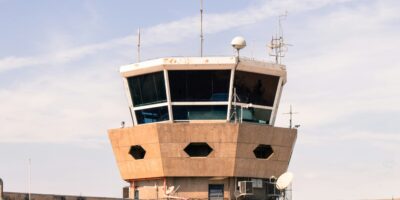
The operations side of BIL is worth paying attention to. The control tower is visible from several vantage points around the airport, and if you watch for a while you start to appreciate the coordination involved. Ground crews loading baggage, fuel trucks making their rounds, pushback tugs lining up. It’s a whole orchestra of activity that most passengers never really notice.
I got a few decent shots of the ground support teams working around a regional jet. The energy there is honestly contagious. These folks move with purpose, and photographing them gives your airport images a human element that straight plane-spotting sometimes misses.
What Passengers Actually See Inside
The passenger areas at BIL have a relaxed Montana feel to them. People aren’t rushing around in a panic the way they do at O’Hare or LAX. I saw families spreading out in the seating areas, folks charging their phones and reading actual physical books. There are shops selling Montana-made products, and I’ll admit I bought some huckleberry candy I didn’t need.
The food options are reasonable for an airport this size. Nothing that’s going to blow your mind, but you won’t go hungry either. I grabbed a sandwich and sat near the windows watching planes for about an hour. That’s what makes BIL appealing. It’s an airport that still feels like it belongs to the people who use it, not just the airlines.
The Skybridge and That Observation Deck
There’s a skybridge connecting different sections of the terminal, and it’s become a popular photo spot for good reason. You’re elevated, you’ve got sightlines to the surrounding terrain, and the framing works naturally. I took a few shots from up there and barely had to crop anything.
The observation deck is even better. You can watch arrivals and departures with an unobstructed view. I spent probably too long up there, but when you’ve got mountains in one direction and active runways in the other, it’s hard to walk away. The light around golden hour turns everything amber, and I got some of my favorite shots of the whole trip right from that spot.
Art and Local Culture Throughout the Airport
Something I didn’t expect: BIL has a legitimate art collection on display throughout the terminal. Paintings, sculptures, mixed media pieces. It’s not just decoration either. The works tell stories about Montana’s history and culture, and some of them are genuinely striking. I photographed a few of the installations and they turned out to be some of the more interesting images from the trip.
It’s the kind of thing that makes a layover feel less like dead time. You can wander the terminal and actually learn something about where you are. I wish more airports took this approach, frankly.
A Bit of History in Pictures
If you dig into the airport’s past, there are some great vintage photos floating around. BIL started as a small regional airstrip and grew into what it is now over several decades. The older images show prop planes on unpaved strips, a much smaller terminal, the whole evolution laid out in black and white. Seeing those next to modern shots of the same airport gives you a real sense of how far it’s come.
I found a few framed historical photos near one of the gates and spent more time than I probably should have studying them. There’s something grounding about seeing the same piece of land across fifty or sixty years of change.
They’re Serious About Sustainability
BIL has been rolling out some notable environmental projects. Solar panels are visible on parts of the facility, and the newer sections of the terminal incorporate energy-efficient design. I noticed recycling stations and signage about their carbon reduction goals. Whether you’re an environmentalist or just curious, these details show up in photos and add another layer to the story of this place.
Montana’s natural beauty is the whole reason people come here, so it makes sense that the airport would take protecting it seriously. The sustainability angle also makes for interesting photography if you’re into that sort of documentary approach.
Community Events at the Airport
BIL hosts events throughout the year that bring the local community out to the airport. Aviation fairs, school tours, art exhibitions. I happened to catch the tail end of an educational event where kids were learning about flight, and the photos from that were some of the most genuine I took all weekend. Big eyes, pointing at planes, asking a million questions.
Local artists also use the airport as a venue sometimes. The backdrop is unique and the foot traffic gives them an audience they might not get in a traditional gallery. Smart use of the space, if you ask me.
The Architecture Tells a Story
I keep coming back to the design of this place. The mix of steel, glass, and natural materials is intentional, and it mirrors Montana’s own character: practical but not without beauty. The way indoor spaces transition to outdoor views feels deliberate, and it gives photographers a lot to work with. Interior shots pick up exterior colors through the glass. Exterior shots frame the building against the terrain.
Honestly, you could do a whole architecture-focused photo series on just this one airport and come away with a strong portfolio.
Seasonal Photography Opportunities
Winter at BIL is a completely different animal. Snow-covered runways, de-icing operations, that grey Montana winter sky. I’ve only shot it in autumn, but friends who’ve been there in January say the images are dramatic in ways you don’t get during warm months. Summer is obviously easier with long golden light and clear skies, but winter brings its own rewards if you’re willing to stand in the cold.
The airport operates year-round regardless of conditions, so there’s always something happening. Staff keep the runways clear and flights moving, which is impressive when you consider what Montana winters can throw at them.
Security Operations Worth Noting
Like every airport, BIL takes security seriously. The checkpoints are well-staffed, and the screening technology is current. What stood out to me was the efficiency. I got through faster than I expected, which left me more time to wander and photograph. The security team was professional but not unfriendly, which is a balance not every airport manages to strike.
Wildlife Along the Perimeter
This one surprised me. Because BIL is surrounded by open terrain, you occasionally spot wildlife near the airport boundaries. Deer, mainly, but I’ve heard reports of pronghorn too. I didn’t manage to photograph any animals myself, but the idea of wildlife against airport infrastructure is exactly the kind of unexpected shot that makes a photo set memorable.
It speaks to the location. This isn’t some concrete island cut off from everything. It’s an airport that exists within a living ecosystem, and that reality comes through in the photography.
Night Photography at BIL
I saved the best for last, maybe. BIL at night is a different world entirely. The terminal lights up, the runway edge lights glow, and if you’re lucky you get a clear sky full of stars behind the whole thing. Long-exposure shots from outside the terminal produced some of my favorite images from this trip. The airport never fully sleeps, so there’s always some activity to capture even at odd hours.
The strategic light placement around the facility makes it photogenic almost by accident. I don’t think the designers were thinking about photographers when they laid out the lighting plan, but it works beautifully for that purpose anyway.
The People Who Run This Place
Behind everything I’ve described are real people doing real work. Gate agents, maintenance crews, administrators, the folks running the coffee counter at 5 AM. I took a few candid shots (with permission) of staff going about their routines, and those images carry a warmth that plane photos alone just don’t capture. The dedication is obvious, and it’s a big part of what makes flying through Billings Logan feel different from the big airport grind.
Recommended Aviation Gear
David Clark H10-13.4 Aviation Headset – $376.95
The industry standard for aviation headsets.
Pilots Handbook of Aeronautical Knowledge – $25.42
Essential FAA handbook for every pilot.
As an Amazon Associate, we earn from qualifying purchases.

Stay in the loop
Get the latest airport pin updates delivered to your inbox.