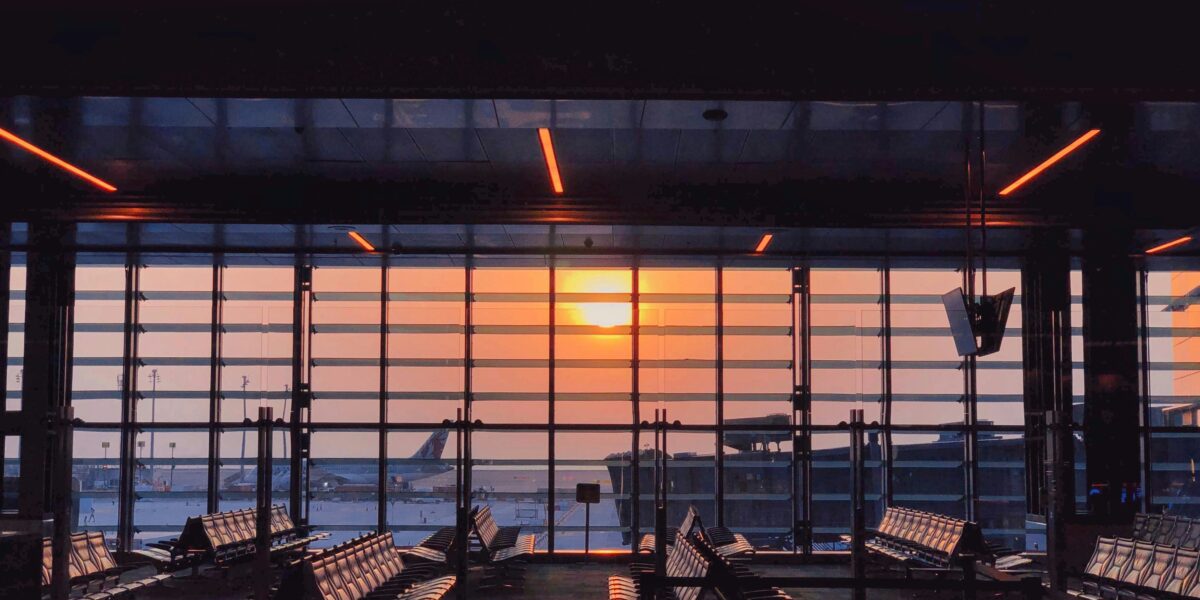
I almost missed my connection at Tulsa International last March because I was too busy looking at the Art Deco touches in the terminal. True story. I’d flown through TUL maybe a half dozen times before that, always rushing to the next gate, never really paying attention. That particular trip I had an extra hour, and the airport surprised me in ways I wasn’t ready for.
Tulsa International Airport sits about five miles northeast of downtown, and it handles a respectable amount of traffic for a mid-size Oklahoma city. Millions of passengers move through here each year. But the numbers don’t tell you what it actually feels like to use the place, so let me fill in the gaps from my own experience.
How TUL Got Here: A Quick History
The airport traces its roots back to the 1920s, when it was basically farmland with ambitions. Federal money helped expand the site during the 1930s, and then World War II turned it into a military facility for a while. That’s a trajectory a lot of American airports share, actually. Farm to military base to commercial hub in about twenty years.
After the war, things moved fast. A new terminal went up in the 1950s to handle growing passenger demand, and the 1970s brought another round of upgrades to keep pace with the jet age. They’ve been renovating and expanding ever since, which is how airports work. You’re never really done building them. the history of TUL is basically a timeline of American aviation itself, compressed into one spot in northeastern Oklahoma.
What You’ll Find Inside
Facilities-wise, TUL covers the basics and then some. Free Wi-Fi throughout the terminal, which I’ve actually tested and it’s decent enough for video calls. Charging stations scattered around if your phone is dying. A handful of lounges if you want somewhere quieter to wait.
The dining situation has gotten better over the years. I remember the options being pretty limited maybe ten years ago, but now there’s a reasonable spread of restaurants serving both local and more standard airport food. I had a surprisingly good chicken sandwich at one of the sit-down spots near Concourse B. Shopping is what you’d expect: travel essentials, souvenirs, some Oklahoma-themed gifts. Nothing revolutionary, but you won’t be bored during a long layover.
For business travelers, there are meeting rooms and business services available. Families get play areas for kids, which I’ve watched grateful parents discover with visible relief on their faces. It’s those small touches that separate a functional airport from a thoughtful one.
Airlines and Where They’ll Take You
The big names are all here: American Airlines, Delta, United, Southwest. You can fly direct to Dallas, Chicago, Atlanta, Denver, and a bunch of other major hubs. Seasonal and charter flights pop up during peak travel periods, expanding the options further. I’ve personally used TUL for connections to both coasts, and it’s worked out well enough that I haven’t felt the need to drive to a bigger airport. That says something.
The route network is solid for a regional airport. You’re not going to find direct flights to Europe or anything, but for domestic coverage it holds its own. And connecting through Dallas or Atlanta opens up pretty much anywhere you’d want to go internationally.
Getting To and From the Airport
Parking options include short-term, long-term, and economy lots, with shuttle service running between the economy lot and the terminal. I usually go economy because the price difference adds up on longer trips. The shuttle comes frequently enough that I’ve never waited more than ten minutes or so.
Rideshare pickup is straightforward. Taxis are available too, and there are several car rental counters inside the terminal if you’d rather drive yourself around Tulsa. Public buses connect to the airport as well, though I’ll be honest, I’ve never used the bus route myself. The road access is well-designed, and getting on and off the highways is pretty painless even during rush hour. At least compared to, say, trying to leave DFW at 5 PM on a Friday.
Security: It’s Manageable
TSA at TUL has been a generally positive experience for me. Lines move at a reasonable pace, screening follows national standards, and the staff has been professional every time I’ve been through. I’m not going to pretend airport security is anyone’s favorite activity, but TUL doesn’t make it worse than it needs to be. That counts for something.
They update their procedures as needed and work with federal agencies to keep everything current. Pre-check lanes are available if you’ve got that, which I finally signed up for after one too many mornings standing in line with my shoes in a bin.
What TUL Means for the Local Economy
The airport is a pretty significant economic engine for the Tulsa area. It supports thousands of jobs directly and indirectly through operations, concessions, and related services. Beyond moving people, TUL handles air cargo operations that keep supply chains running. That’s the kind of thing you don’t think about as a passenger, but it matters a lot to regional commerce.
That’s what makes TUL interesting to people who actually live and work in the area. It’s not just a building you pass through twice a year. It’s tied into the economic fabric of northeastern Oklahoma in ways that go well beyond ticket sales. Tourism, business travel, freight, all of it flows through this airport.
Environmental Work
TUL has been making moves on sustainability, which is encouraging to see. Energy-efficient terminal designs, waste reduction programs, and greenhouse gas reduction targets are all in progress. They’ve been working with local community groups on promoting greener practices too.
The airport participates in national environmental programs and sets goals around energy and resource conservation. I noticed more recycling bins and electric vehicle charging spots on my last visit than I remember from previous trips. Progress is progress, even if it’s incremental. These things take time.
What’s Coming Next
Looking forward, TUL has plans to expand terminal space and upgrade amenities. Technology integration is a big focus, with automation and better information systems on the roadmap. They’re also investing in runway and taxiway improvements, which might not be glamorous but keeps everything running safely.
Route expansion is another goal. More airlines, more destinations, more reasons for passengers to use TUL instead of driving to a larger hub. I’d personally love to see a few more direct routes to the West Coast. But these things are driven by demand, and demand follows population growth. Tulsa’s been growing, so the flight options should follow eventually.
All in all, TUL is one of those regional airports that does its job quietly and well. It won’t make anyone’s list of the world’s most exciting airports, but it’ll get you where you need to go without unnecessary headaches, and honestly that’s all most of us are really asking for.
Recommended Aviation Gear
David Clark H10-13.4 Aviation Headset – $376.95
The industry standard for aviation headsets.
Pilots Handbook of Aeronautical Knowledge – $25.42
Essential FAA handbook for every pilot.
As an Amazon Associate, we earn from qualifying purchases.


Stay in the loop
Get the latest airport pin updates delivered to your inbox.