
My first trip there, I spent way too long staring at a map of Northern California and Nevada trying to figure out which airport made the most sense. I ended up at the wrong one — or at least, not the best one — and spent an extra two hours in a car when I didn’t need to. So I figured I’d write up what I’ve learned since then to save somebody else the headache.
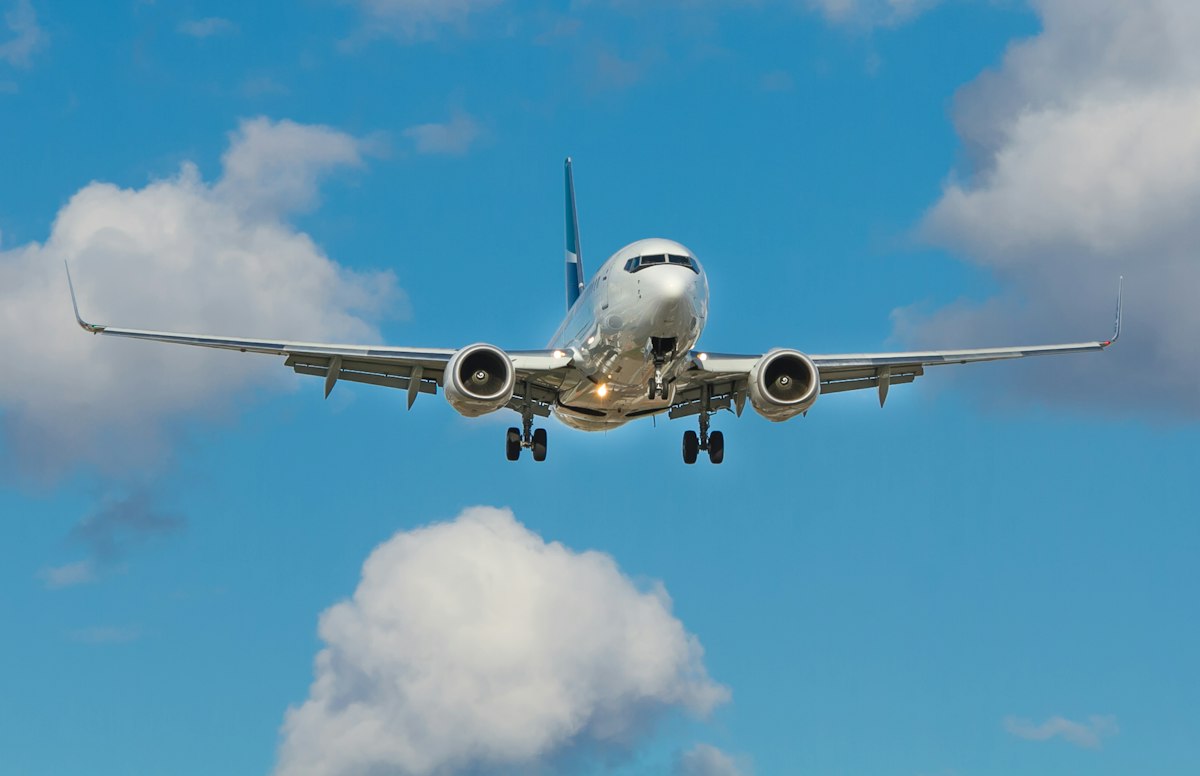
Reno-Tahoe International Airport (RNO): Your Best Bet
it’s the answer most people are actually looking for. Reno-Tahoe International is about 50 miles from the lake, making it the closest major airport. Southwest, United, Delta — they all fly here, so you’ve got options. The airport itself is pretty compact, which means you’re not trekking through miles of terminal to get to baggage claim.
From RNO, you can rent a car, grab a shuttle, or use a rideshare to get to the lake. I’d recommend renting a car if you want freedom to explore once you’re there. Hertz, Avis, and Enterprise all have onsite counters. Fair warning though: if you’re going in winter, seriously consider an SUV or at least something with all-wheel drive. I made the mistake of renting a compact sedan in February once and white-knuckled it up Mount Rose Highway. Never again.
South Lake Tahoe Airport: For Private Flights
This is a small airport just a few miles from the water, but it doesn’t handle commercial flights right now. If you have access to a private plane or want to charter something, it could work. Otherwise, you’re looking at RNO or one of the alternatives below. I mention it mostly so people don’t get confused when it pops up in a search and think they can book a Southwest ticket there.
Getting from Reno to the Lake
Once you land at RNO, the logistics are honestly not bad. Shuttle services like North Lake Tahoe Express run regular routes. Sierra Shuttle Service is another option. These work well if you don’t want to deal with driving mountain roads, especially in winter when chains might be required.
Public transit is possible but slower. RTC Ride operates buses around Reno, and you can piece together connections to get toward Tahoe, but it involves transfers and takes longer than you’d want after a flight. Budget-friendly, sure. Convenient? Not really. I tried it once and ended up calling a rideshare halfway through because I was losing daylight.
Sacramento International Airport (SMF): A Solid Alternative
Sacramento’s airport is about 120 miles from Lake Tahoe. That’s farther than Reno, obviously, but SMF sometimes has better flight deals depending on where you’re coming from. The drive from Sacramento to Tahoe takes you through some genuinely beautiful Northern California terrain. I did it in October once and the fall colors along Highway 50 were worth the extra drive time on their own.
Car rentals and bus services are available from SMF. If you’re already planning to spend time in Sacramento — good food scene, by the way — this can make sense as a two-stop trip. Fly into Sacramento, explore for a day, then head up to the mountains.
San Francisco International Airport (SFO): If You’re Coming from Overseas
SFO is roughly 200 miles from Lake Tahoe, so it’s the longest drive of the three. But if you’re flying in internationally, it might be your only direct option. The airport handles a massive number of international routes that RNO and SMF simply don’t. The drive from San Francisco through the Central Valley and up into the Sierra Nevada is long — four hours give or take — but there’s a lot to see along the way if you’re not in a rush.
I’ve done this drive twice now. Once I stopped in Davis for lunch, another time in Auburn. Breaking it up helps. And honestly, rolling into Tahoe after that drive, watching the mountains build up around you, it sets the mood in a way that stepping off a plane 50 miles away just doesn’t match.
Seasonal Stuff You Should Actually Think About
Lake Tahoe’s weather swings hard between seasons. Winter brings skiers and snowboarders, summer brings hikers and boaters. Both peak seasons mean crowded flights and higher prices, so booking early helps. But the real thing to plan around is road conditions. Winter storms can close passes or require tire chains. I-80 over Donner Summit gets shut down sometimes. Mount Rose Highway can be icy. Check Caltrans and NDOT road conditions before you head out, not after you’re already stuck in a chain-control line.
A four-wheel-drive or all-wheel-drive rental is worth the upcharge in winter. I learned this the hard way, as I mentioned. Summer is more forgiving on the roads, but you’ll deal with tourist traffic, especially on weekends around the south shore.
Once You’re There
The airport logistics are just the first part. Lake Tahoe itself is why you’re going, and it delivers. Winter has over a dozen ski resorts at various skill levels — Palisades Tahoe, Heavenly, Northstar, Kirkwood, the list goes on. Summer opens up water sports on the lake, hiking trails with views that make your phone camera feel inadequate, and scenic cruises.
I’d also recommend exploring the smaller towns around the lake. Truckee has a great downtown with local restaurants and shops. South Lake Tahoe is more commercialized but has its own appeal, especially if you want nightlife or casino action on the Nevada side. These side trips add a lot to the overall experience and are easy to do if you’ve got a rental car.
Tips for First-Timers
The altitude gets people. Tahoe sits at over 6,000 feet and the ski resorts go much higher. Stay hydrated, take it easy on day one, and don’t be surprised if you feel a bit winded hiking or skiing at first. Pack layers — the temperature can shift 30 degrees between morning and afternoon, and if you go from lakeside to a summit, the difference is even more dramatic.
Navigation apps are your friend for real-time road conditions and traffic. Google Maps is fine, but Waze tends to be better at catching slowdowns and detours in the mountain areas. Familiarize yourself with local outdoor regulations too — fire restrictions in summer, trail closures, that sort of thing. Being prepared means less stress and more time actually enjoying the place.
The Bottom Line
Reno-Tahoe International is the go-to for most travelers headed to Lake Tahoe. It’s close, it’s well-connected, and ground transportation is straightforward. Sacramento and San Francisco are viable alternatives depending on your flight origins, budget, and whether you want to see more of the region. Plan around the season, respect the mountain roads, and book early during peak times. That’s what makes the whole trip notable — when the logistics are handled, you can actually relax and enjoy one of the best alpine destinations in the country.
Recommended Aviation Gear
David Clark H10-13.4 Aviation Headset – $376.95
The industry standard for aviation headsets.
Pilots Handbook of Aeronautical Knowledge – $25.42
Essential FAA handbook for every pilot.
As an Amazon Associate, we earn from qualifying purchases.



Stay in the loop
Get the latest airport pin updates delivered to your inbox.