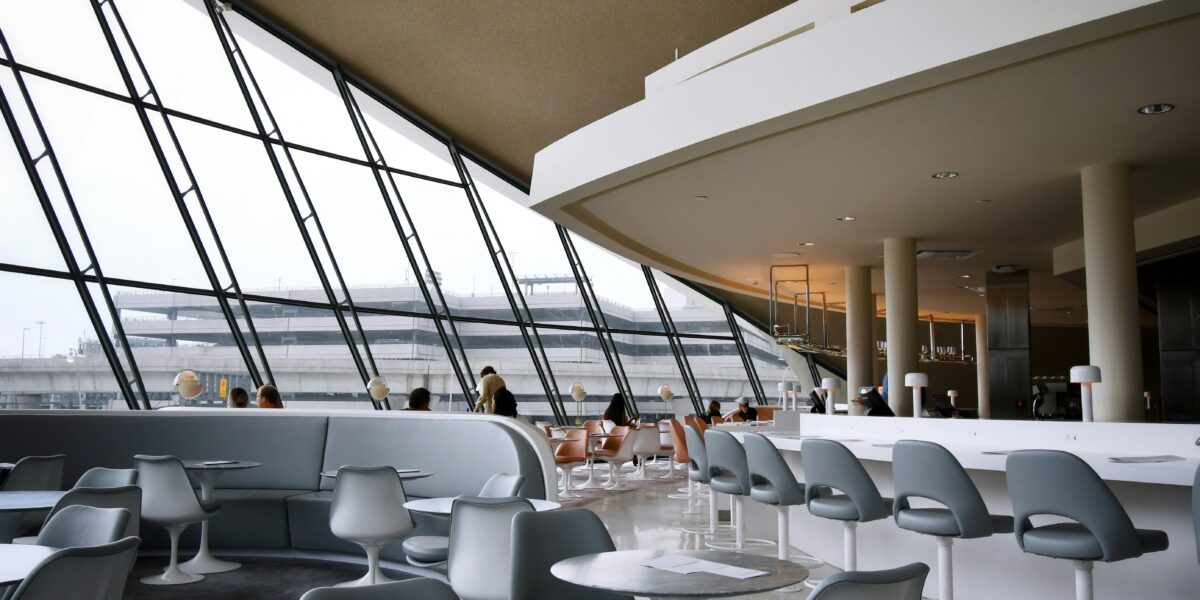
Why I Started Caring About Airport Lounges
I spent the first few years of frequent flying camped out at gate seats, eating $14 sandwiches and fighting for power outlets. Then a friend handed me a guest pass to a Sky Club during a four-hour layover in Atlanta, and that was it. I was done with gate life. The free food, the actual chairs, the WiFi that didn’t feel like dial-up — I couldn’t go back.
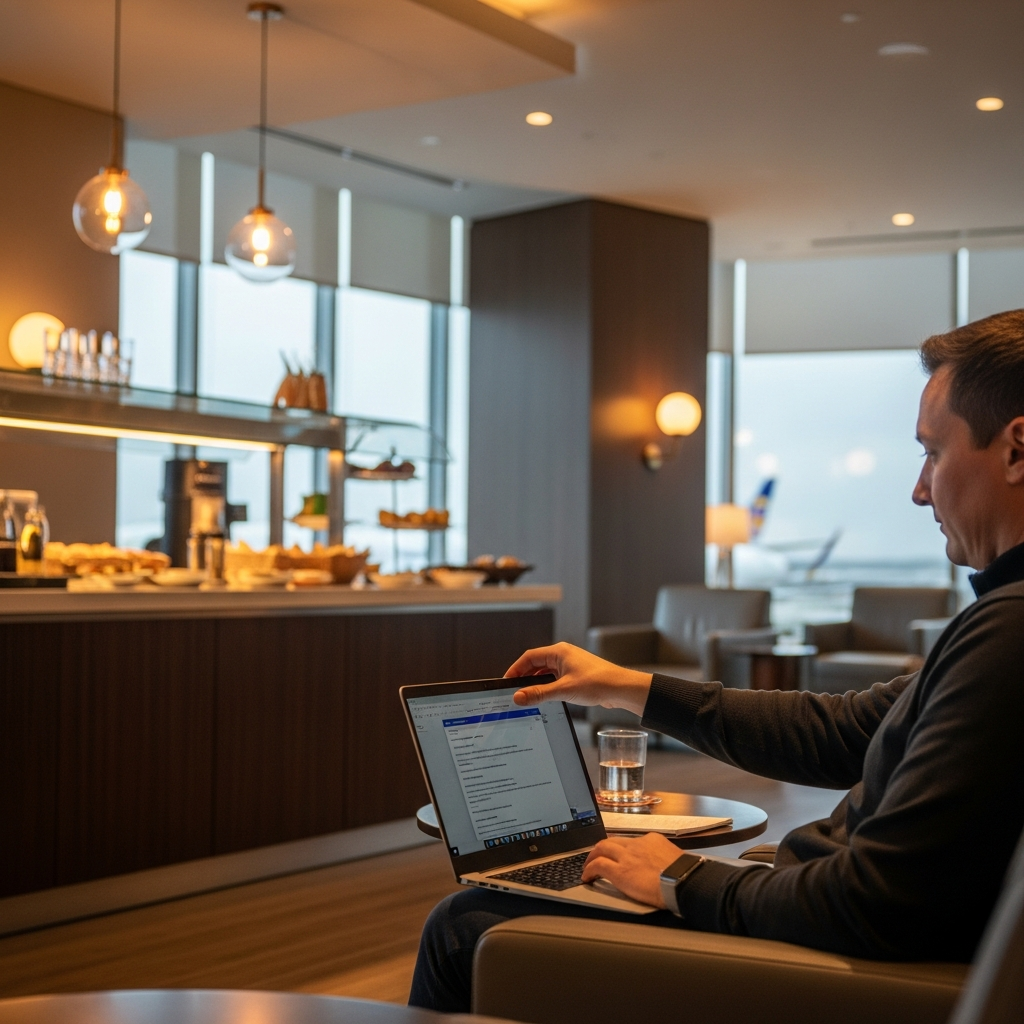
So I went down the rabbit hole of figuring out how to get lounge access without spending a fortune. Turns out there are a lot of ways in, and some of them are surprisingly affordable. Here’s everything I’ve learned.
Types of Airport Lounges
Airline-Run Lounges
The big domestic carriers each run their own lounge networks, and they’re not all created equal. I’ve spent time in most of them, and the differences are real.
Delta Sky Club: Delta has over 50 of these across the country and internationally. Complimentary food, drinks including alcohol, solid WiFi, and showers at some locations. You get in by flying Delta One, holding Diamond or Platinum Medallion status, or — and this is the route most people take — carrying an American Express Platinum card. The food quality has gone up noticeably in the last couple years. I had a surprisingly good short rib at the ATL Sky Club last fall.
United Club: United’s lounges span the major airports and keep a consistent standard. Hot food, full bar, business amenities. Access through United Polaris, Premier 1K or Global Services status, or paid membership. Honestly, the United Clubs feel a bit more corporate than Delta’s, but they get the job done.
American Admirals Club: American runs these at their hubs and key destinations. Quieter vibe overall, complimentary snacks and beverages, and they have dedicated customer service reps who can help with flight changes. That last part saved me once when my connection went sideways and the gate line was thirty people deep. The Admirals Club agent rebooked me in two minutes.
Alliance Lounges
This is where it gets interesting and, honestly, a little confusing at first. The three big airline alliances — Star Alliance, oneworld, and SkyTeam — share lounge access across their partner airlines.
So if you’re a Star Alliance Gold member (which you’d get from, say, being United Premier 1K), you can walk into any Star Alliance lounge worldwide when flying a same-day Star Alliance ticket. I used my United status to access Lufthansa lounges in Frankfurt last year, and those lounges are on another level compared to what we get domestically. It felt like cheating.
Independent Lounges
These are the ones that don’t care which airline you’re flying. They’ll let you in based on membership or credit card access, full stop.
Priority Pass: The biggest independent network out there with over 1,300 locations worldwide. You get it through cards like the Amex Platinum, Chase Sapphire Reserve, or Capital One Venture X, or you can buy a membership directly. Quality varies wildly — some Priority Pass lounges are genuinely nice, others are basically a room with some crackers and a coffee machine. I’ve learned to check reviews before walking into an unfamiliar one.
Plaza Premium: Growing fast, especially in Asia and Europe, with some North American locations now too. Known for better food than average and more modern spaces. I visited one in Vancouver and was impressed by how much nicer it felt than the typical independent lounge.
How to Actually Get In
Premium Cabin Tickets
it’s the most straightforward option. If you’re flying first or business class, you typically get lounge access at both the departure and arrival airports on that ticket. No card needed, no status required.
One thing that catches people off guard though: your premium ticket usually only gets you into lounges run by the airline you’re flying or its alliance partners. A Delta first class ticket won’t open the door at an Admirals Club. I watched a guy argue about this at JFK once. It didn’t go well for him.
Elite Status
Earning elite status through frequent flying is the traditional path, and each airline draws the line differently:
Delta: Diamond and Platinum Medallion members get Sky Club access when flying Delta same-day. Gold and Silver? Sorry, no lounge for you through status alone.
United: Premier 1K gets United Club access on United flights. Platinum, Gold, and Silver don’t get automatic access. There’s a gap there that United probably likes, since it pushes people toward paid memberships.
American: Executive Platinum and ConciergeKey get Admirals Club access. Everyone below that needs a separate membership or day pass.
Credit Cards — The Shortcut Most People Use
This is where the math gets fun. Premium travel cards come with lounge access baked in, and for a lot of travelers, this is the most cost-effective route.
American Express Platinum ($695 annual fee): Gets you into Centurion Lounges (Amex’s own spaces, which are genuinely excellent), Delta Sky Clubs when flying Delta, Priority Pass Select, and Lufthansa lounges. The fee sounds steep, but between the lounge access and the travel credits, I’ve come out ahead every year I’ve held it.
Chase Sapphire Reserve ($550 annual fee): Priority Pass Select with unlimited guest privileges. No airline lounges beyond the Priority Pass network. Simpler value proposition — if Priority Pass covers your airports, this works great.
Capital One Venture X ($395 annual fee): Access to Capital One’s own lounges (currently Dallas and Denver, both very nice), Priority Pass, and Plaza Premium. The lowest fee of the three, and that $300 travel credit basically brings the net cost under $100.
Day Passes and Memberships
No status, no fancy card? You can just buy your way in.
Day passes run $50-$75 at most airline lounges. Buying online in advance is cheaper than walking up to the desk. I’ve done this a few times when I had a long layover at an airport where my usual access didn’t apply. Worth it for anything over three hours, in my opinion.
Annual memberships: United Club runs about $650 a year. Delta Sky Club ranges from $545 to $845 depending on your elite status. American Admirals Club is around $650. These only make sense if you’re flying that airline regularly from their hubs. Otherwise a credit card with lounge access is a better deal.
What You Actually Get Inside
Food and Drinks
This varies more than anything else. Airline lounges generally have complimentary snacks, light meals, and a full bar with brand-name spirits. Some Priority Pass lounges barely have pretzels, while others have full hot buffets. I’ve learned not to have expectations until I walk in and see what’s there.
The top-tier international lounges are a different world entirely. Lufthansa First Class in Frankfurt has a restaurant with a real menu. Emirates in Dubai offers fine dining and a cigar bar. Cathay Pacific’s The Pier in Hong Kong does made-to-order meals that rival good restaurants. These places spoil you, and then you walk into a domestic lounge with some soup and crackers and feel a little sad.
Work Amenities
Every lounge has WiFi, though speeds differ. Most have printing, power outlets at seating areas, and quieter zones for calls or focused work. Some of the nicer ones offer private work rooms or small conference spaces. I’ve taken more video calls from lounge quiet rooms than I’d like to admit — it beats trying to find a quiet corner at Gate C37.
Comfort Stuff
The chairs alone are worth showing up for, honestly. Real seating instead of those connected gate chairs that seem designed to prevent comfort. Many lounges have showers, which are a lifesaver after overnight flights or long layovers. Sleep pods show up in some premium spaces. A few even have spa services — massages, that sort of thing.
Best Lounges in the US
Centurion Lounges (American Express)
Amex operates these at major US airports including Dallas, JFK, SFO, Miami, Seattle, Phoenix, and Philadelphia. Made-to-order cocktails, food programs developed by local chefs, and spa services at most locations. These consistently rank among the best domestic lounges, and I’d agree with that ranking.
You need an Amex Platinum card and a same-day boarding pass. Guests cost $50 each unless you have the right card tier. They’ve gotten crowded — Amex has tightened guest policies because of it — but they’re still my first choice when available.
Capital One Lounges
Capital One launched their lounge concept in Dallas (DFW) and Denver (DEN). Premium food, craft cocktails, thoughtful design. I visited the Denver location and was genuinely impressed — it felt like they studied what everyone else was doing and then tried to do it better. Free for Venture X cardholders and their guests.
United Polaris Lounges
These serve long-haul international premium cabin passengers at Chicago O’Hare, Houston, LAX, Newark, SFO, and Dulles. A la carte dining, daybeds for napping, extensive shower suites. If you’re flying United Polaris internationally, these are worth arriving early for. The Chicago one in particular is a standout.
World-Class International Lounges
Emirates First Class Lounge (Dubai): Personal service, fine dining, cigar bar, full spa with Timeless Spa treatments. It’s almost absurd how nice this place is. I kept expecting someone to tell me I was in the wrong room.
Cathay Pacific The Pier First Class (Hong Kong): Private sleeping cabins, full restaurant service, and attention to detail that’s hard to describe. Consistently ranked among the world’s best, and it earns that reputation.
Lufthansa First Class Terminal (Frankfurt): This isn’t even a lounge — it’s a separate terminal building exclusively for Lufthansa first class and HON Circle members. Personal assistant, fine dining, cigar lounge, and they drive you to the plane in a private car. I’m not making that up.
Getting the Most Out of Lounge Access
Stack Your Credit Cards
Holding multiple premium cards creates overlapping coverage. An Amex Platinum covers Centurion and Delta lounges, while a Capital One Venture X adds their own lounges and Priority Pass. Together you’re covered at most major airports. I carry both because the combined access is worth the fees — or at least that’s what I tell myself.
Look Into Status Matches
Airlines sometimes offer status challenges or matches to elite members of competing carriers. These can fast-track you to lounge-eligible status without years of loyalty flying. I’ve seen friends jump from nothing to lounge access in a few months through a well-timed status match.
Consider How You Book Flights
When using miles, business class redemptions often cost only marginally more points than economy while adding lounge access and a better seat. Once you factor in the lounge food replacing a $20 airport meal, the value math tilts toward premium cabins more than you’d think.
Common Questions
Can I bring guests? Depends entirely on how you’re accessing the lounge. Credit card access often includes guests. Airline status might not. Check before showing up with your whole travel crew — I’ve seen some uncomfortable conversations at the check-in desk.
How early can I get there? Most lounges open hours before the first departure and close after the last flight. Arriving three hours before domestic or four before international gives you solid lounge time. Personally, I aim for about two hours of actual lounge time — enough to eat, work, and decompress without feeling rushed.
Are kids allowed? Generally yes. Some lounges have family areas, and a few premium spaces restrict access to adults. Most are fine with well-behaved kids, though you might get some looks if they’re running laps around the buffet. Ask me how I know.
Is Lounge Access Worth the Money?
For anyone flying more than five or six times a year, I’d say absolutely. The food alone offsets part of the cost when you stop buying $16 airport burgers. Add in reliable WiFi for working, comfortable seats, a calmer environment, and the ability to shower during long layovers — it adds up.
For occasional travelers, a day pass or a credit card with lounge access as a side benefit might be the smarter play. No need for a $650 annual airline membership if you fly three times a year.
Start by looking at which credit cards fit your normal spending. Many premium cards offset their annual fees through travel credits and other perks, which effectively makes the lounge access free if you’re maximizing the card anyway. That’s how I got into this whole thing, and I haven’t regretted it once.
Lounge Etiquette — Please Don’t Be That Person
Respect the Quiet Zones
Lots of lounges have designated quiet areas for people working or resting. Take your phone calls somewhere else. I once watched a guy conduct an entire speakerphone meeting in a quiet zone, and the collective death stares from fifteen business travelers were something to behold. Don’t be that guy.
Food and Drink Behavior
The food is free. That doesn’t mean you should fill your bag with snacks for the flight or drink until the bartender starts giving you concerned looks. Reasonable consumption, clear your own plates, basic stuff. I’ve heard of people getting their access revoked for overdoing it, which seems like a particularly embarrassing way to lose a perk.
Watch the Clock
Some lounges enforce time limits during busy periods. Priority Pass locations are increasingly capping visits at three hours. Airline lounges typically allow three hours before departure. Showing up five hours early for a red-eye might get you turned away at the door until closer to your flight time.
Different Travel Scenarios
Long Layovers
This is where lounges earn their keep. A four-hour connection goes from miserable gate sitting to a productive work session or a real meal in a comfortable chair. I’ve actually started booking connections specifically at airports where I know there’s a good lounge. That’s what makes lounge access refreshing to frequent flyers — it turns dead time into something almost enjoyable.
Red-Eye Flights
Before overnight flights, lounges give you a place to eat dinner, get some work done, and take a shower before boarding. The shower part matters more than you’d think when you’re arriving at 6am and heading straight to a meeting. Some international lounges even have sleeping facilities for extended pre-departure rest.
Delays and Cancellations
This is where lounge access really pays off. When things go wrong — weather, mechanical issues, whatever — the lounge has food, drinks, comfortable seats, and updated flight information. While gate agents face enormous lines, lounge staff can often rebook flights for members with much less wait. During a weather delay at O’Hare last winter, the lounge agent had me on a new flight before the gate even announced the cancellation.
Family Travel
Traveling with kids and lounge access? Game changer. Real food instead of overpriced food court pizza. A calmer environment than a crowded gate area. Some lounges have kids’ areas with entertainment. My kids associate the airport with “the place where we eat free snacks and watch planes” now, which makes the whole process smoother for everyone.
Where Lounges Are Heading
Overcrowding is the big issue. Popular credit cards have flooded lounges with visitors, and everyone’s trying to figure out how to manage it. Amex has tightened guest restrictions and is building larger facilities. Some Priority Pass locations have implemented time limits or dropped out of the network entirely.
On the positive side, new players keep entering the market. Capital One is expanding to more airports. Chase announced plans for their own lounge network. More competition generally means better options for travelers, even if individual lounges get more crowded in the short term.
Airlines are also creating more tiers — basic lounges for the masses, ultra-premium spaces for first class and top-tier elites. That separation creates clearer expectations and helps manage the crowding issue at the top end.
Best Lounges at Major US Airports
Atlanta (ATL): The Delta Sky Club in Concourse B has the best views and newest renovation. Non-Delta flyers can use The Club at ATL through Priority Pass.
Los Angeles (LAX): Star Alliance travelers should try the United Polaris Lounge. Amex Platinum holders have the Centurion Lounge in Tom Bradley International Terminal, which is one of their better locations.
Chicago O’Hare (ORD): The United Polaris Lounge in Terminal 1 is genuinely one of the best domestic airport lounges anywhere. The Amex Centurion Lounge opened recently with great food options too.
Dallas/Fort Worth (DFW): Capital One Venture X cardholders should absolutely visit the Capital One Lounge. American’s Admirals Club in Terminal D is one of the largest in their system.
New York JFK: The Centurion Lounge in Terminal 4 draws crowds because the food and cocktails genuinely exceed normal lounge standards. International travelers should explore partner lounges based on their alliance — there are some hidden gems in Terminal 1.
San Francisco (SFO): The Centurion Lounge has local food and bay views. United Polaris Lounge serves international premium cabin passengers well.
Miami (MIA): American’s Flagship First Dining is their premium offering here. The Centurion Lounge features Latin-inspired food that matches Miami’s personality.
Don’t Overlook the Smaller Airports
Smaller airports sometimes deliver better lounge experiences purely because fewer people show up. Portland (PDX), San Diego (SAN), and Austin (AUS) all have well-regarded lounges with more relaxed atmospheres than the big hub facilities. I had one of my best lounge experiences at PDX — half empty on a Tuesday afternoon, good food, great views of the tarmac. Sometimes less is more.
Final Thoughts
Lounges have gone from exclusive business traveler perks to something a lot more accessible, and that’s mostly a good thing even if it comes with crowding headaches. Whether you fly every week or a few times a year, there’s probably a way to get lounge access that fits your budget and travel patterns.
My advice: start with a credit card that fits your spending habits and happens to include lounge access. Try a few lounges. Figure out what you value — is it the food? The quiet workspace? The showers? Then optimize from there. The airport doesn’t have to be the worst part of your trip. With the right access, it can actually be kind of nice.


Stay in the loop
Get the latest airport pin updates delivered to your inbox.