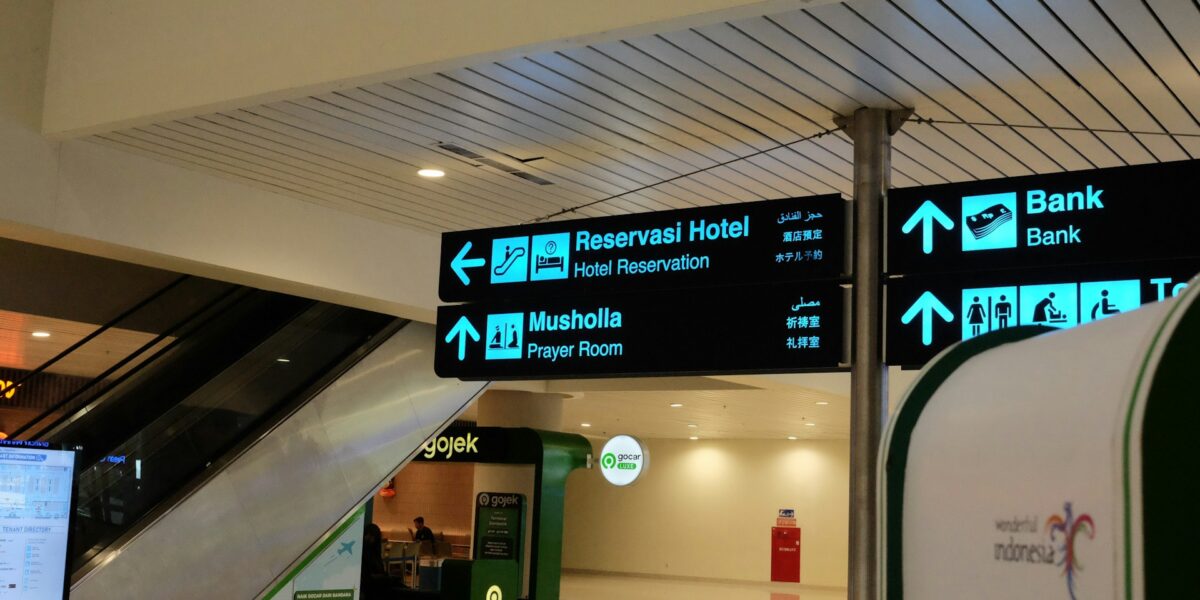
Airport codes has gotten complicated with all the abbreviations flying around. I remember the first time someone told me ORD was Chicago and I thought they were messing with me. O-R-D? Where’s the Chicago in that? Turns out there’s a whole story behind it, and once you start pulling that thread, the entire airport code system becomes genuinely interesting. Weird, but interesting.
IATA vs ICAO — Two Systems, One Airport
Probably should have led with this. There are actually two different coding systems running at the same time. IATA uses 3-letter codes — those are the ones you see on your boarding pass and luggage tag. LAX, JFK, ORD. ICAO uses 4-letter codes — KLAX, KJFK, KORD. The K at the front tells you it’s a continental US airport. International airports have different prefixes depending on the country.
IATA is the traveler-facing system. ICAO is what pilots and air traffic control actually use. Most people go their entire lives only knowing IATA codes, and that’s perfectly fine. But if you’re into aviation even a little, the ICAO system starts showing up everywhere.
Where These Codes Come From
A lot of codes are straightforward — DEN for Denver, BOS for Boston, STL for St. Louis. Makes sense, right? But then you get the ones that don’t match at all, and those usually have a backstory. ORD comes from Orchard Field, which is what Chicago O’Hare used to be called back in the day. The airport changed names, but the code stuck. That happens more than you’d think.
The Oddball Codes
YYZ for Toronto comes from a nearby radio navigation beacon. I only know this because a Canadian friend quizzed me on it once and I got it wrong. MCO for Orlando honors McCoy Air Force Base, which used to occupy that site. SFO? They just tacked an O onto San Francisco. Not every code has a dramatic origin story — some of them are just practical solutions to a naming conflict.
Why Any of This Matters
If you’re booking flights, tracking airports, or even just trying to read a flight tracker, knowing how codes work helps. You stop being confused when your luggage tag says something unexpected. You start recognizing airports without having to look them up. And for people who collect airport visits — which is more people than you’d guess — understanding the code system adds another layer to the hobby. That’s what makes the whole code system endearing, honestly. It’s this quirky, historical shorthand that the entire aviation world runs on.



Stay in the loop
Get the latest wildlife research and conservation news delivered to your inbox.