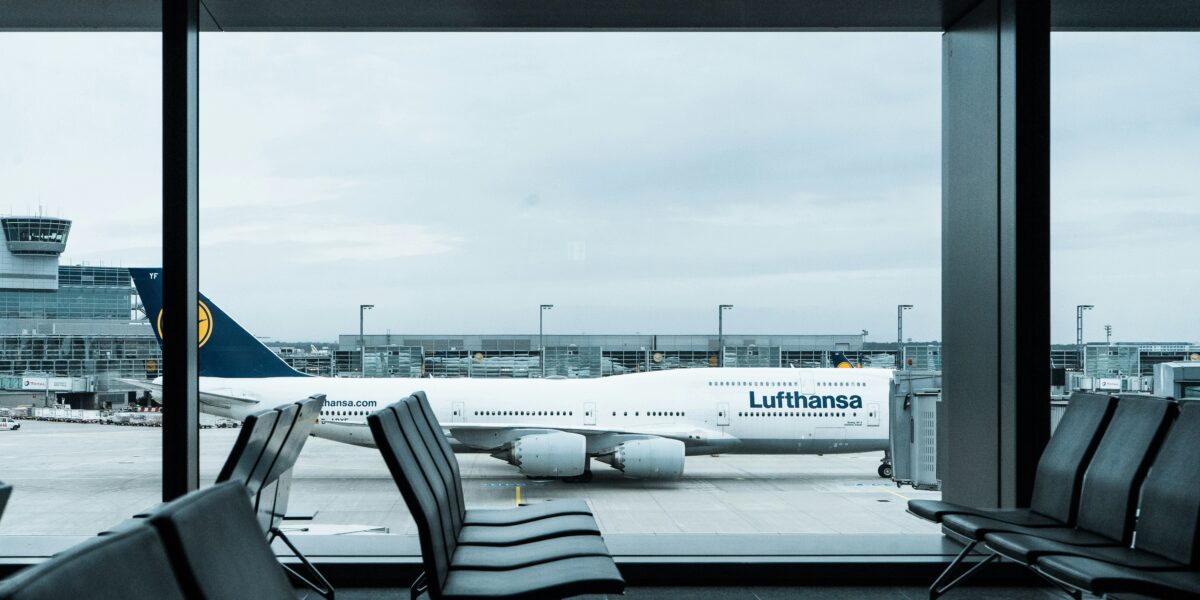
I flew into El Salvador International Airport — most people just call it San Salvador Airport — for the first time a few years back, and I was honestly surprised. I’d read a bunch of mixed reviews online and showed up expecting chaos. What I got instead was a functional, reasonably modern airport that handled things better than some U.S. airports I’ve been through. Go figure.
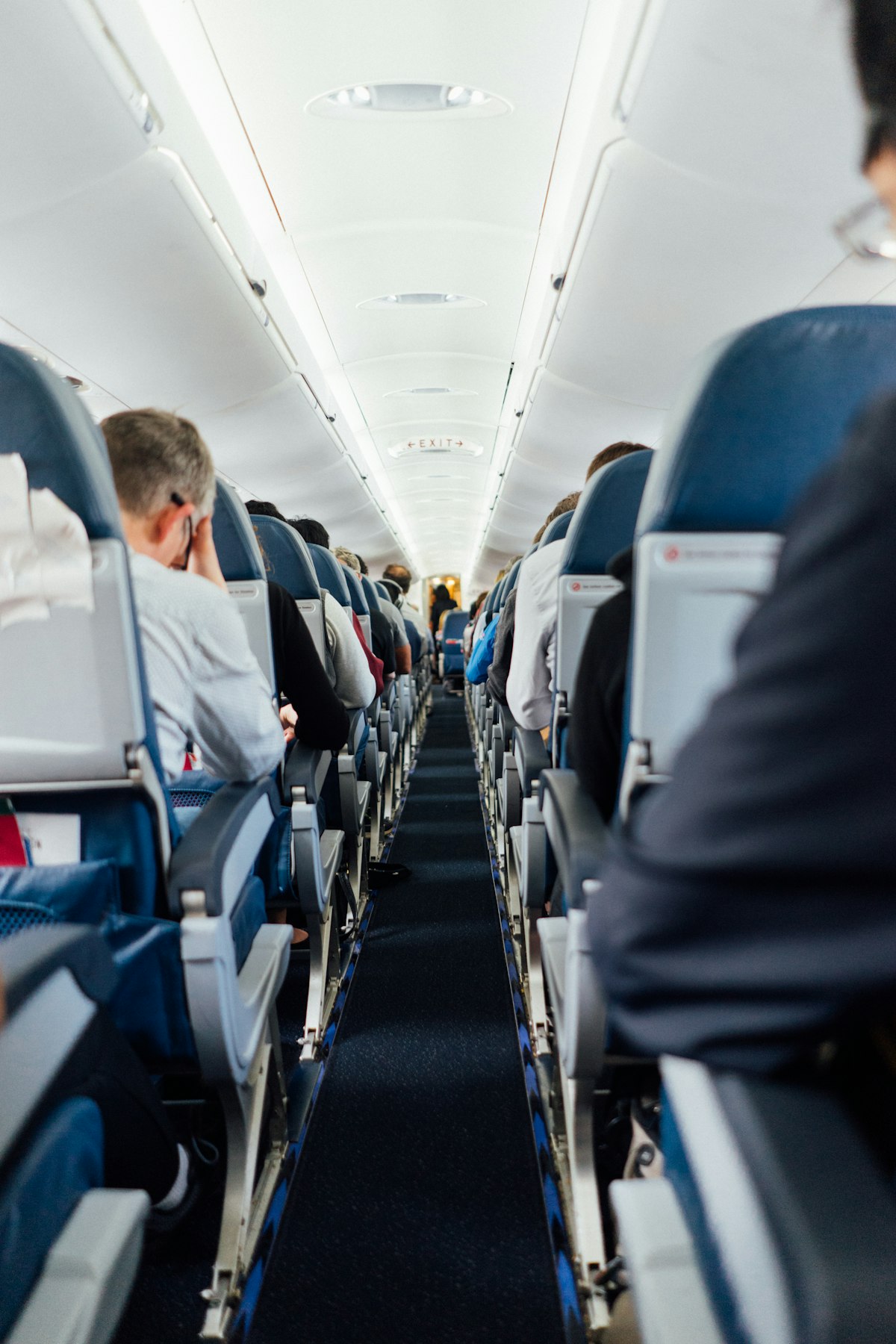
How It Got Here
The airport opened on January 31, 1980, built to replace the aging Ilopango Airport which had been the main hub. The timing wasn’t great — El Salvador was heading into a period of political instability and economic pressure, so the early years were rough. But the airport survived and kept getting better. since 1998, there have been ongoing expansion projects aimed at increasing capacity and raising service levels. The airport you fly into today looks nothing like what opened in 1980.
It sits in Comalapa, about 44 kilometers southeast of San Salvador proper. The IATA code is SAL, and it functions as the primary aviation hub for the entire country. Geographically, it’s positioned well as a connecting point for travelers moving between North and South America.
What’s Inside the Terminal
The terminal covers a decent chunk of the airport’s 787 hectares and packs in more amenities than I expected. Dining options include both local Salvadoran food and international chains — I had pupusas at one of the restaurants before a flight and they were legitimately good, not the usual airport food compromise. Duty-free shops and local craft vendors line the concourse.
There are several passenger lounges available if you want to decompress before a flight. They offer drinks, snacks, Wi-Fi, and workspace areas. Speaking of Wi-Fi, it’s accessible throughout the terminal, which I appreciated because my layover ran long and I needed to get some work done. Currency exchange, ATMs, and banking services are scattered around the terminal too.
Getting To and From the Airport
Transportation logistics are straightforward, which matters when you’re landing in an unfamiliar country. If you’re driving, parking is available in both short-term and long-term lots. Public buses run regular routes between the airport and San Salvador city center. Taxis are everywhere, and Uber operates in the area too — I used Uber both times I flew in and it worked without any issues.
Car rental agencies like Hertz and Avis have counters at the airport. I rented a car on my second visit to explore the countryside, and the pickup process was standard. Nothing weird about it. That’s what makes San Salvador Airport distinctive — it just works the way you’d expect an airport to work, without surprises.
Who Flies There
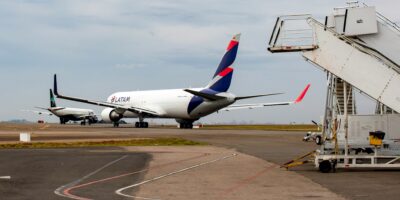
Avianca is the big one, running a heavy schedule of daily flights. American Airlines, Copa Airlines, and Delta Air Lines all have regular service too. The airport handles both domestic and international routes, and the two primary runways manage a solid volume of traffic. I was there during what seemed like a busy afternoon and the operations side appeared to be running smoothly — aircraft moving efficiently, no obvious bottlenecks on the taxiways.
Security Situation
Security follows international standards. Baggage checks and passenger screenings are thorough but not unreasonably slow. The Salvadoran Civil Aviation Authority oversees the protocols. I went through twice and both times it was professional and efficient. Not much more to say about it, honestly, which is exactly what you want from airport security — forgettable because nothing went wrong.
Where Things Are Headed
There are plans to position SAL as a bigger player in the Central American aviation scene. The government has been working with international partners on infrastructure development — terminal expansions, new technology for passenger processing, that kind of thing. Given how much the airport has improved since the ’90s, I’d bet these plans actually happen. The trajectory has been consistently upward.
Using the Airport as a Jumping-Off Point
Here’s where I got excited on my trips: El Salvador itself. The airport is your entry point to places like Joya de Ceren, which is basically the Pompeii of the Americas — a pre-Columbian village preserved under volcanic ash. The Ruta de las Flores is a string of mountain towns with coffee farms, waterfalls, and markets. I did a three-day side trip along it and came back a convert.
Tourism is a growing piece of El Salvador’s economy, and the airport plays a direct role in making that happen. Local businesses, handicraft markets, hotels — they all benefit from the airport functioning well and bringing people in. It’s one of those situations where infrastructure investment has real downstream effects you can see.
Environmental Steps
Like a lot of airports, SAL is making moves toward greener operations. Recycling programs, energy-efficient lighting systems, and plans for more sustainable practices in future development. Nothing revolutionary, but it’s moving in the right direction. I noticed LED lighting throughout the terminal on my last visit, which is a small thing but tells you someone is thinking about this stuff.
Weather and Operational Challenges
The rainy season can create some disruption — El Salvador gets serious rain from May through October. I flew in during September once and my arrival got pushed back about forty minutes due to weather. Not ideal, but the airport has invested in modern navigation systems and real-time weather monitoring that help keep delays manageable. Could be worse. I’ve been delayed longer in Dallas for less dramatic weather, so I’m not complaining.
What Travelers Think
Feedback from passengers has been largely positive from what I’ve seen and experienced. The airport is clean, the layout makes sense, and things run on time more often than not. Staff training seems to be a priority — every interaction I had was professional and helpful, including a customs agent who recommended a restaurant in San Salvador that turned out to be excellent.
For frequent travelers, there are fast-track security options that save some time. The airport keeps iterating on its services based on passenger feedback, which shows in the steady improvements over the years. It’s not a world-class mega-hub, but it’s a solid, well-managed airport that does its job well. Sometimes that’s exactly what you need.
Recommended Aviation Gear
David Clark H10-13.4 Aviation Headset – $376.95
The industry standard for aviation headsets.
Pilots Handbook of Aeronautical Knowledge – $25.42
Essential FAA handbook for every pilot.
As an Amazon Associate, we earn from qualifying purchases.

Stay in the loop
Get the latest airport pin updates delivered to your inbox.