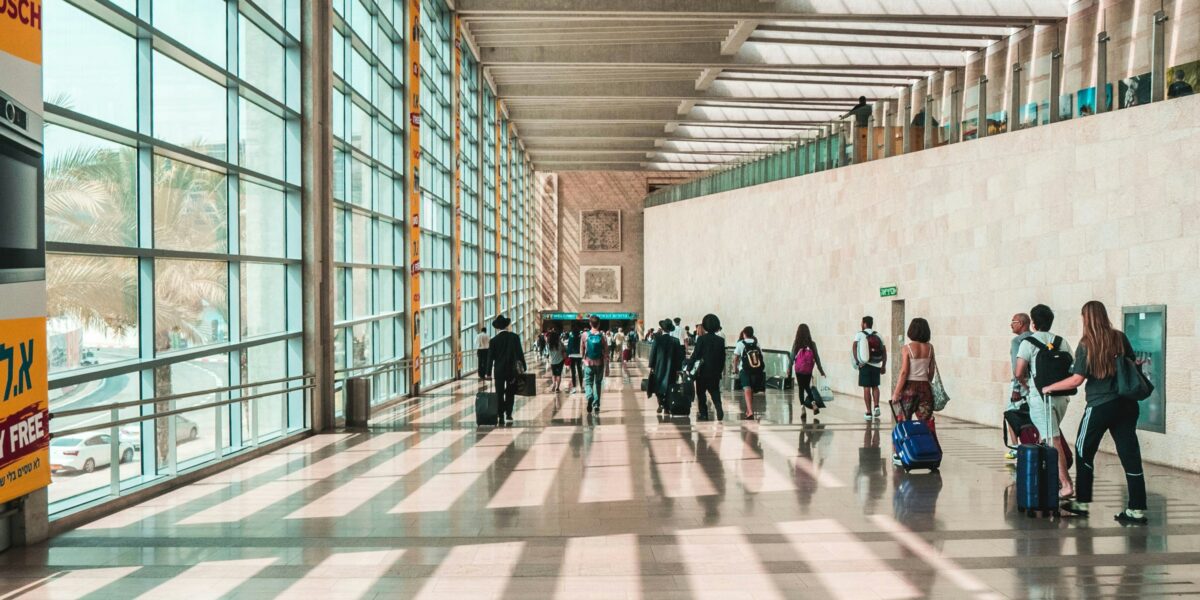
I remember the first time I flew overseas — booked a connecting flight through CDG and genuinely thought my travel agent had made a typo. Paris? CDG? Where’s the P? I sat there Googling it on my phone at the gate like an idiot.
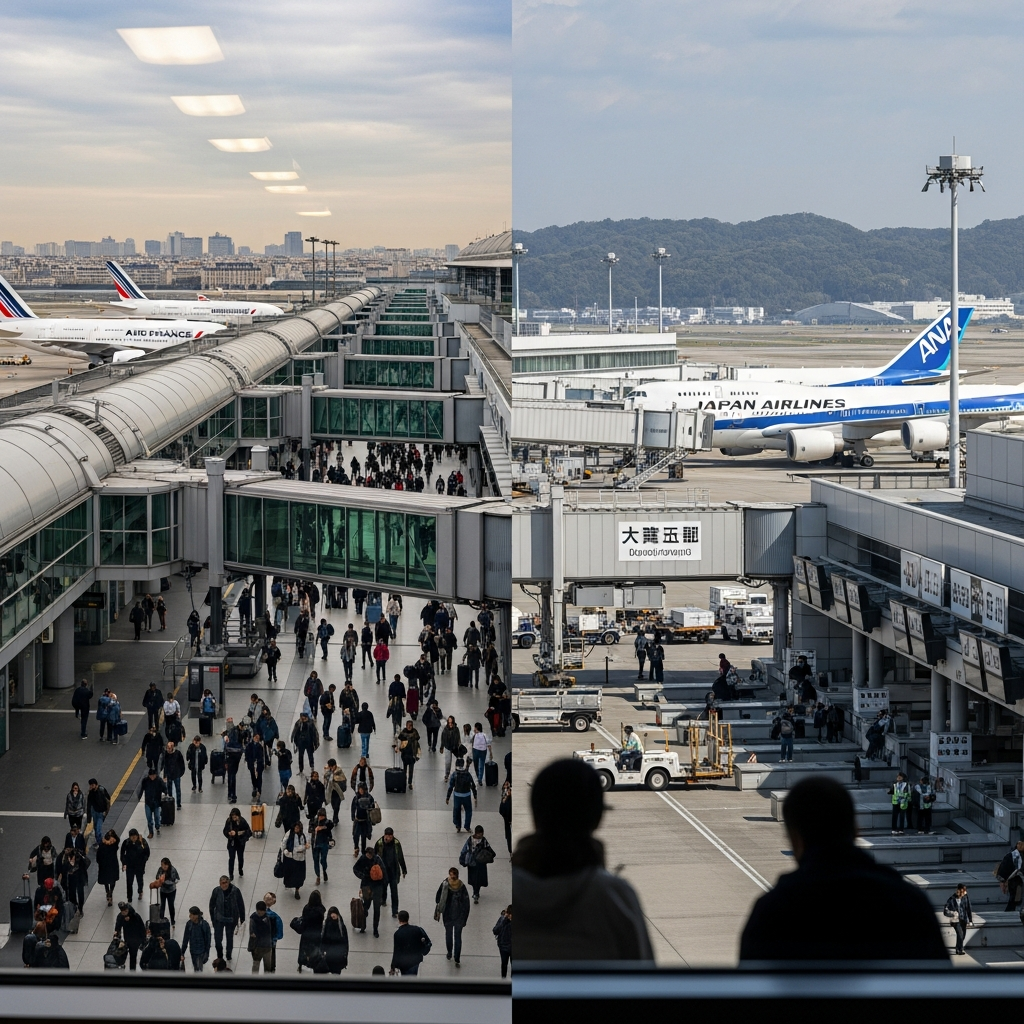
CDG stands for Charles de Gaulle, the airport’s actual name, not the city. And that’s kind of the whole deal with international codes. They don’t always match what you’d expect, and once you understand why, the whole system starts making a weird kind of sense.
How the IATA System Actually Works
The International Air Transport Association — IATA — runs the three-letter code system you see on your boarding pass and luggage tags. Every commercial airport in the world gets one. The thing is, they weren’t handed out alphabetically or by some neat formula. They evolved over decades, and regional habits crept in along the way.
European airports tend to pull from the city name pretty directly. London Heathrow is LHR. Frankfurt is FRA. Makes sense, right? But then you get to Asia and things shift. Tokyo Narita is NRT — taken straight from “Narita,” the town where the airport sits, not from “Tokyo” at all. Hong Kong is HKG, which, okay, that one tracks. The patterns exist, but they’re more like tendencies than rules.
Why Some Codes Seem Totally Random
Here’s what tripped me up for years. Some codes look like they were picked out of a hat, and honestly, the explanation is almost that boring. When a city already has one airport hogging the obvious letters, the next airport gets whatever’s left. New York is the classic example — JFK got the prestige code, LaGuardia ended up with LGA, and Newark across the river in New Jersey landed on EWR. None of those scream “New York” unless you already know.
And it’s not just American cities. Plenty of major international hubs have this problem. Multiple airports fighting over limited letter combinations means somebody’s getting a code that requires explanation.
Learning the Hub Codes Changed How I Travel
I used to just follow whatever my booking app told me. But after a layover mix-up in Amsterdam — I’d confused AMS with a completely different code on a multi-city itinerary — I started actually memorizing the big ones. AMS for Amsterdam. DXB for Dubai. SIN for Singapore. ICN for Seoul Incheon.
That’s what makes this system appealing. It’s old, a little messy, and full of historical quirks. But once you learn maybe 30 or 40 hub codes, international itineraries stop looking like alphabet soup. You can glance at a connection and instantly know you’re routing through the Middle East or Southeast Asia. It’s like learning a second language — except this one only has three-letter words.
For what it’s worth, I still think CDG is a terrible code for Paris. But I’ll never forget it now, and I guess that’s the point.




Stay in the loop
Get the latest airport pin updates delivered to your inbox.