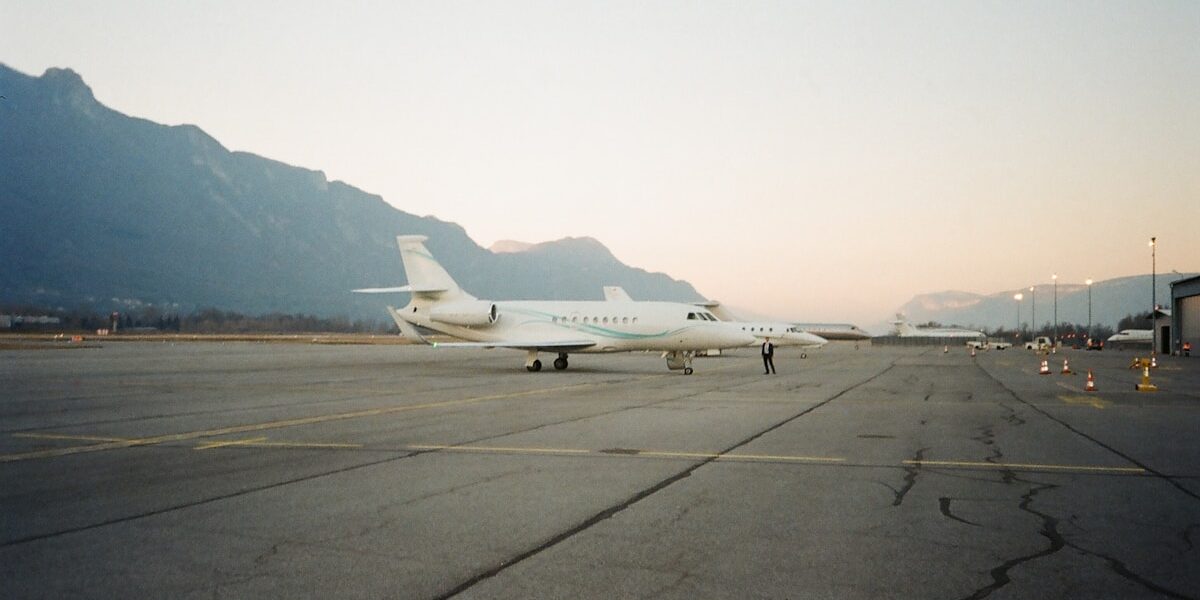
Flying into Boulder has gotten complicated with all the density altitude warnings and mountain weather talk flying around. As someone who’s flown in and out of KBDU more times than I can count, I learned everything there is to know about what makes this airport tick. Today, I will share it all with you.
Probably should have led with this section, honestly: Boulder Municipal Airport sits at 5,288 feet MSL, which means your airplane will not perform like it does at sea level. Period. That’s the single most important thing to understand before pointing your nose toward the Flatirons.
What You’re Dealing With at KBDU
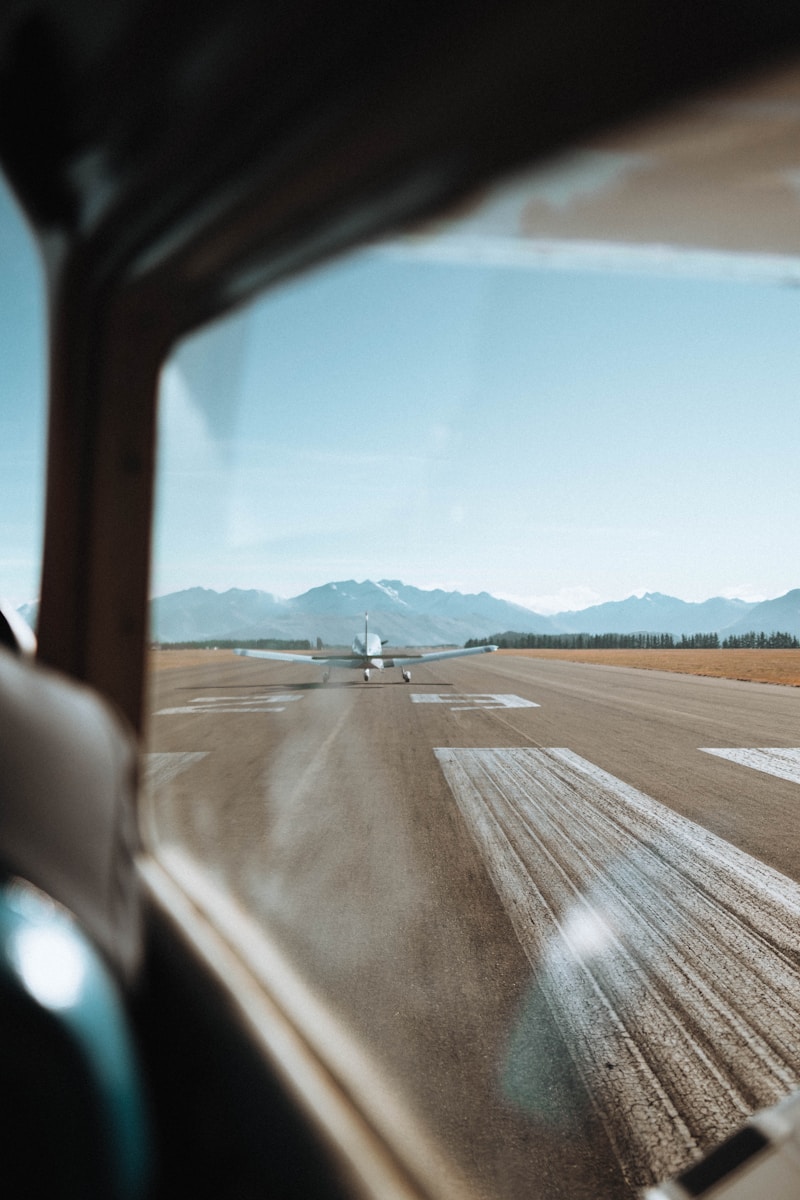
Here’s the quick reference stuff:
- Identifier: KBDU
- Location: 3 miles northeast of Boulder, Colorado
- Elevation: 5,288 feet MSL
- Coordinates: 40°02’21″N, 105°13’32″W
- Time zone: Mountain (UTC-7/UTC-6)
You get one runway to work with—Runway 8/26, measuring 4,100 feet by 75 feet of asphalt. Runway 8 has right traffic with PAPI on the left. Runway 26 gets standard left traffic, also PAPI on left. That 4,100 feet sounds adequate until you factor in what the thin air does to your takeoff roll.
Frequencies You’ll Need
- CTAF/UNICOM: 122.7
- AWOS-3: 119.475
- Denver Approach: 120.35
- Denver Center: 134.4
Density Altitude Will Humble You
That’s what makes Boulder endearing to us mountain pilots—it demands respect every single time. Summer afternoons routinely push density altitude past 8,000 feet, sometimes knocking on 10,000 feet when the heat really settles in.
What does that actually mean for your airplane? Expect your takeoff roll to stretch 30-50% longer than sea level numbers. Climb rates drop to maybe half of what the POH promises under standard conditions. Your engine breathes thinner air, so it makes less power.
Real example: that Cessna 172 you trained in, the one that lifted off in 900 feet back home? At Boulder on a warm afternoon, you’re looking at 1,500 to 1,800 feet before the wheels leave the pavement. That eats up a lot of your 4,100-foot runway.
The fix is simple but requires discipline—fly early morning or evening during summer. A 7 AM departure might mean 6,500-foot density altitude versus 9,500 feet at 2 PM. Three thousand feet of difference changes everything about your performance margins.
Mountain Weather Keeps Things Interesting
Boulder sits right against the Rocky Mountain Front Range, and that geography creates weather patterns you need to anticipate.
Mountain obscuration happens regularly. Clouds form against the Flatirons and foothills, cutting visibility in the pattern and making any westerly departure complicated.
Turbulence becomes a factor when winds exceed 15-20 knots from the west. Mountain wave activity can affect the entire Boulder area, with severe turbulence possible on the lee side of the terrain.
Afternoon thunderstorms are almost predictable during summer. Convective buildup starts over the mountains by early afternoon, then the storms march east. Plan accordingly.
One gotcha that catches people: winds from the west often blow 30-plus knots at pattern altitude while surface winds stay calm. That wind shear on approach surprises pilots who only checked the ATIS surface winds. Chinook winds can produce sudden gusts that’ll test your crosswind technique.
Working the Pattern
Standard 45-degree entries to downwind, pattern altitude at 6,288 feet MSL (1,000 feet AGL). Keep your head on a swivel—Boulder sees plenty of training traffic from nearby flight schools.
The locals care about noise. The published noise abatement requests:
- Runway 26 departures: Turn right to heading 320 before reaching Diagonal Highway
- Runway 8 departures: Continue runway heading to pattern altitude before turning
- Avoid overflying residential areas below 1,500 AGL when practical
Following these procedures matters for keeping the airport in good standing with the community.
Services on the Field
The FBO handles the usual needs:
- 100LL and Jet A fuel
- Aircraft parking (transient and tie-down)
- Hangar rentals (expect a waitlist)
- Pilot lounge
- Rental cars and courtesy transportation
- Flight training
- Aircraft maintenance
Once you’re on the ground, Boulder itself delivers. Downtown’s Pearl Street Mall has walkable shopping and restaurants. The University of Colorado campus is close by. Plenty of hotel options for overnight stays.
Getting In and Out on Instruments
VFR approaches are straightforward when the weather cooperates. The Flatirons are unmistakable landmarks—you can spot them from miles out. The town of Boulder and the CU football stadium make good checkpoints too.
For IFR, you have GPS approaches to both ends:
- RNAV (GPS) RWY 8: LPV minimums 5920 feet MSL (632 AGL)
- RNAV (GPS) RWY 26: LPV minimums 5860 feet MSL (572 AGL)
Circling approaches get dicey. The terrain west of the field limits your options, so exercise caution when visibility drops. IFR departures require attention to obstacle clearance—diverse departure procedures apply with minimum climb gradients. Standard is 360 feet per nautical mile to 9,000 feet.
Where to Fly From Here
Boulder works well as a base for Rocky Mountain exploring:
- Rocky Mountain National Park: Spectacular scenic flights (maintain minimum altitudes over the park)
- Grand Lake (KGNL): Mountain airport on the west side of the Rockies
- Steamboat Springs (KSBS): Popular ski resort destination
- Denver area airports: Centennial (KAPA), Rocky Mountain Metro (KBJC), and Denver International (KDEN) are all within 30 minutes
What First-Timers Should Know
- Check density altitude before every operation—grab the AWOS or calculate it manually
- Fly early during summer to dodge the afternoon heat and storms
- Monitor winds aloft for mountain wave activity
- Allow extra runway for both takeoff and landing
- Call ahead if you need fuel or services—confirm availability
- Respect noise abatement procedures for the community’s sake
- Have a backup plan—Rocky Mountain Metro (KBJC) offers longer runways when you need them
Contact Information
- Airport Manager: City of Boulder Parks and Recreation
- Phone: (303) 441-3108
- Address: 3327 Airport Road, Boulder, CO 80301
Boulder Municipal gives you access to one of Colorado’s best destinations. The elevation and mountain proximity demand that you understand density altitude, terrain effects, and mountain weather. Prepare properly, and you get rewarded with memorable flying and some of the best Rocky Mountain scenery anywhere.