
I booked a trip to Billings a couple years back, mostly to use the city as a base for exploring Yellowstone from the east side, and I had this vague assumption that the airport would be a tiny regional strip with one gate and a vending machine. I was wrong. Billings Logan International is actually Montana’s biggest airport, and it is set up well enough that my layover there was more comfortable than some connections I have had at supposedly better airports.
How It Got Here
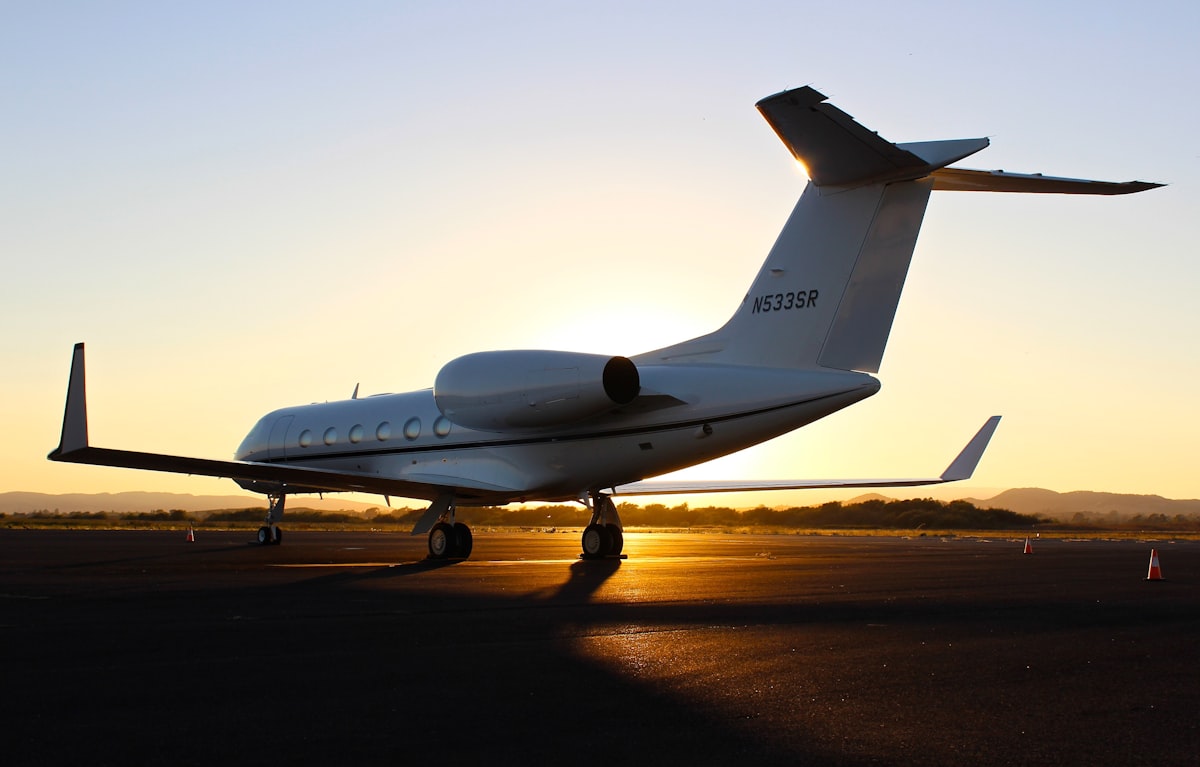
The airport has been around since 1928, originally serving as a link between northern U.S. states and larger cities across the Pacific Northwest. It is named after John A. Logan, a local figure, and it grew from a small regional facility into the state’s primary airport over the decades. Early expansion included runway upgrades and better navigation systems to handle growing traffic. the history actually explains a lot about why the airport punches above its weight for a city of Billings’ size — it has had nearly a century to figure things out.
Inside the Terminal
The terminal is not going to remind you of a major hub, but it covers the basics well and adds a few nice touches. Free Wi-Fi works throughout the building, and I tested it enough to know it handles video calls without dropping. There are full-service restaurants and quick-service counters for food, so you have options whether you want to sit down for a meal or just grab something fast before your flight. Retail shops carry travel supplies and souvenirs — I picked up a coffee mug with a mountain design that I still use at my desk.
ATMs and cash: Multiple ATMs scattered through the terminal, so you will not have trouble finding one. Currency exchange is limited though, which makes sense given most flights here are domestic.
Baggage claim: The area has several carousels and things move efficiently enough. If something goes missing, the lost and found is handled jointly by airport staff and the airlines. I have not had to use it here, thankfully, but I have seen the desk and it was staffed.
Accessibility: Accessible restrooms, elevators, dedicated parking spaces, and staff who are trained to help passengers needing extra support. The airport takes this seriously from what I observed.
Getting To and From the Airport
Transportation options are better than I expected for a mid-sized Montana city. Car rental companies operate right from on-site facilities, which is convenient if you are heading out to explore the area — and you probably should, because the scenery within a couple hours of Billings is remarkable. The Billings MET transit system offers a cheaper way to reach the city center if you do not need a car. Taxis and ride-shares are available too, though during off-peak hours you might wait a few extra minutes for an Uber compared to what you are used to in bigger cities.
Airlines and Where They Go
Several major carriers operate from Billings Logan, including Delta, American Airlines, United, and Alaska Airlines. The route network covers the big U.S. hubs, which means you can connect to basically anywhere from here, even if direct options are limited. Seasonal flights expand the reach during peak travel times, and charter services fill in some gaps too. I flew Delta through Salt Lake City and the connection was smooth both ways. Not the most exciting routing, but it worked without any drama.
Safety and Security
TSA runs the security screening and it follows the standard guidelines you would find at any U.S. airport. I would suggest arriving at least two hours before departure to give yourself breathing room, especially during busy periods. The lines were not long when I went through, but I have heard from locals that holiday travel and summer season can back things up. The airport conducts regular training and drills for emergencies, which is the kind of thing you hope never matters but are glad exists.
What They Are Doing for the Environment
Billings Logan has waste reduction programs and energy-efficient lighting throughout the facility. They are also looking into renewable energy sources to cut their carbon footprint further. I do not know how far along those renewable projects are, but the fact that a regional airport is even talking about this stuff feels like a step in the right direction. It is easy for smaller airports to skip the sustainability conversation entirely, so credit where it is due.
Future Plans
The airport authorities have outlined expansion plans to handle increasing demand. That includes modernizing existing terminal areas, upgrading runways, and improving passenger services generally. Whether all of that happens on schedule is anyone’s guess — airport construction timelines have a way of stretching — but the intent is there and the current facility is a solid foundation to build on.
What It Means to Billings
That’s what makes Billings Logan a solid airport. It is not just a place where planes land — it is genuinely woven into the local economy and community. The airport provides jobs, brings in tourism dollars, and connects the region to the rest of the country in ways that matter for businesses and residents alike. They run community events and education programs aimed at getting people interested in aviation careers, which I think is a smart long-term play for a city this size.
From its start in 1928 to where it stands now, Billings Logan International has grown into a modern facility that balances expansion with environmental responsibility and community engagement. If you are passing through Montana, it is a better gateway than you might expect, and the state it opens up to you on the other side of those terminal doors is absolutely worth the trip.
Recommended Aviation Gear
David Clark H10-13.4 Aviation Headset – $376.95
The industry standard for aviation headsets.
Pilots Handbook of Aeronautical Knowledge – $25.42
Essential FAA handbook for every pilot.
As an Amazon Associate, we earn from qualifying purchases.



Stay in the loop
Get the latest airport pin updates delivered to your inbox.