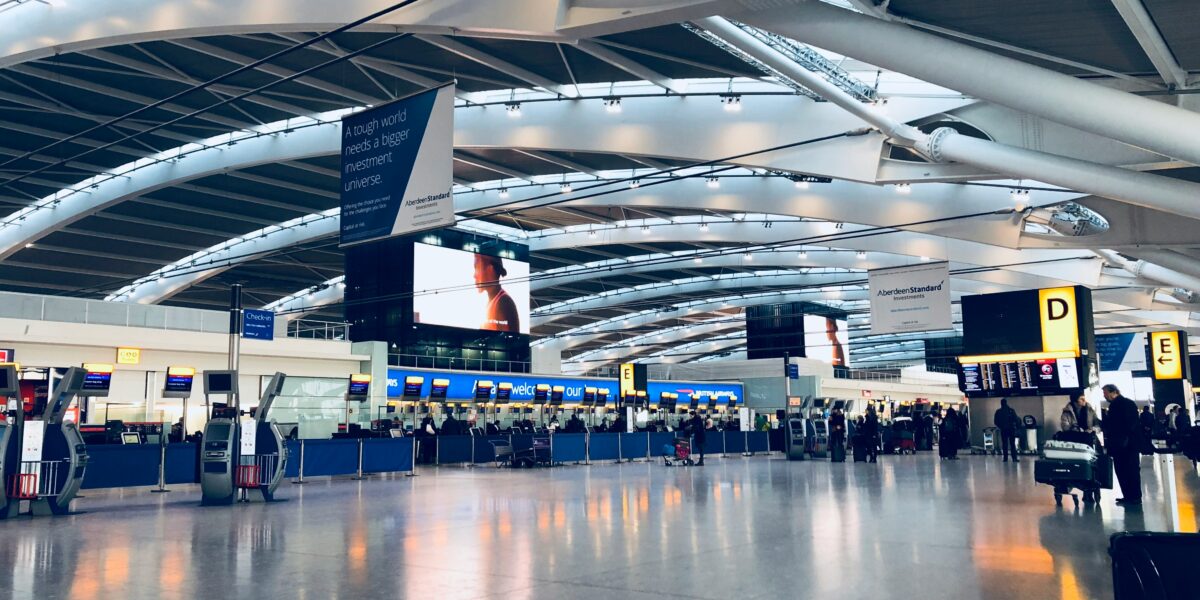
I first flew into Sun Valley on a winter trip about six years ago, and the approach alone nearly made me rethink my whole relationship with small airports. Mountains on both sides, a runway that seemed to appear out of nowhere, and the kind of turbulence that makes you grip the armrest like it owes you money. But once we touched down and I stepped out into that crisp Idaho air, I got it. I completely understood why people fall in love with this place.
The Airport Itself
the main airport serving Sun Valley is Friedman Memorial Airport in Hailey, Idaho. It’s been around since 1931, which gives it almost a century of history at this point. The airport handles both commercial and general aviation, and while it only has one runway, don’t let that fool you. During peak ski season, this place gets busy. Really busy.
The runway sits at roughly 5,300 feet above sea level, and the surrounding terrain creates some genuinely tricky conditions for pilots. Density altitude is a real factor here. So are the winds. I talked to a local flight instructor once who told me that he’d seen experienced pilots white-knuckle approaches that they’d normally handle without blinking. The mountain environment just demands respect.
Weather and Flying Conditions
High-altitude flying is its own animal. The environmental conditions around Sun Valley shift fast. Strong winds, turbulence, and variable visibility can all show up with little warning. Pilots who fly in and out of here regularly tend to have specialized mountain flying training, and honestly, it shows. The precision you see on approaches is impressive.
Instrument flight rules come into play a lot here because of the weather. The airport has RNAV GPS and VOR/DME approaches to handle different aircraft types and conditions. When the clouds roll in, and they do, pilots lean hard on their avionics. It’s not a place where you wing it. Pun intended, I guess.
What Flies In and Out
You’d be surprised at the variety. Small single-engine props share the pattern with larger business jets. Fractional ownership companies operate here regularly, and you’ll occasionally see military aircraft too. All of that requires tight coordination on the ground and in the air. The controllers and ground crews earn their keep, especially during the winter rush.
FBO Services
Fixed-Base Operators are a big part of the experience at Friedman Memorial. Atlantic Aviation is the main name here, and they provide fueling, hangaring, maintenance, and passenger amenities. I’ve heard nothing but good things from pilot friends who’ve used their services.
The heated hangars are a lifesaver in winter. Literally. Leaving an aircraft out in sub-zero temps overnight is a recipe for problems. The FBOs also have lounges that are genuinely comfortable, not just a room with some chairs. Flight crews and passengers can decompress in decent surroundings, which matters when you’ve just navigated a mountain approach in crosswinds.
Beyond the Runway
Sun Valley itself is, well, gorgeous. The skiing is world-class. Everyone knows that. But the summer is something else too. Mountain biking, golfing, fly fishing. I spent a July afternoon trying to fly fish on the Big Wood River and caught exactly nothing, but the scenery more than made up for it.
The Sun Valley Lodge deserves a mention. Built in 1936, it’s hosted celebrities and heads of state over the years. That’s what makes Sun Valley notable. It has this old Hollywood glamour mixed with genuine rugged mountain culture. The Lodge has a heated pool, outdoor ice skating, and a spa that my wife still talks about. The whole place feels like a throwback to a different era, but in the best possible way.
Learning to Fly Here
There are flight schools at the airport offering programs from private pilot certification all the way up to advanced ratings. Training in Sun Valley’s environment builds skills fast. You learn mountain flying, high-altitude ops, and weather decision-making all at once. The local instructors have years of experience in exactly these conditions, which is the kind of mentorship you can’t really replicate in a simulator.
Programs available include:
Private Pilot License – the starting point for most people
Instrument Rating – especially important for the weather here
Commercial Pilot License – for those going professional
Multi-Engine Rating – broadens your aircraft options
Students get hands-on training paired with ground school. The environment forces precision and attention to detail in ways that flatter terrain simply doesn’t. I’ve met pilots who trained here and they carry a certain confidence that’s hard to miss.
Aviation Events and Community
Sun Valley hosts fly-ins and airshows throughout the year, and they draw a real mix of people. Hardcore aviation folks, casual enthusiasts, families. It’s a good scene. The networking alone makes them worth attending if you’re in the aviation world. And for the general public, it’s a chance to get up close with aircraft you’d normally only see overhead.
There’s also the backcountry flying scene, which is a whole world unto itself. Sun Valley is a gateway to some of Idaho’s most remote airstrips. We’re talking about strips in the Frank Church-River of No Return Wilderness. Short runways, unpaved surfaces, dense forest, steep canyons. It requires real skill, but the pilots who do it describe it as the purest form of flying. I believe them.
Environment and Sustainability
There’s a genuine effort here to balance aviation with environmental responsibility. Flight patterns are designed to avoid sensitive wildlife areas. Sustainable practices in airport operations and maintenance are taken seriously. The technology side helps too. Better avionics mean more efficient routes, less fuel burn, and lower emissions. It’s not perfect, but the intention is real.
Wrapping It Up
Sun Valley aviation is this fascinating blend of wild natural beauty and technical flying skill. Whether you’re a pilot, an enthusiast, or just someone passing through on the way to the slopes, there’s something about this place that sticks with you. The airport, the training opportunities, the FBO services, and the surrounding attractions all feed into a community that genuinely cares about flight and about the terrain it operates in. I keep finding reasons to go back, and I don’t think that’s going to stop anytime soon.


Stay in the loop
Get the latest airport pin updates delivered to your inbox.