I mean, they renamed the whole airport a couple years back, and people are still Googling “McCarran” like nothing happened. So let me break down what LAS actually means and how to get around Harry Reid International without losing your mind.
What Does LAS Stand For?
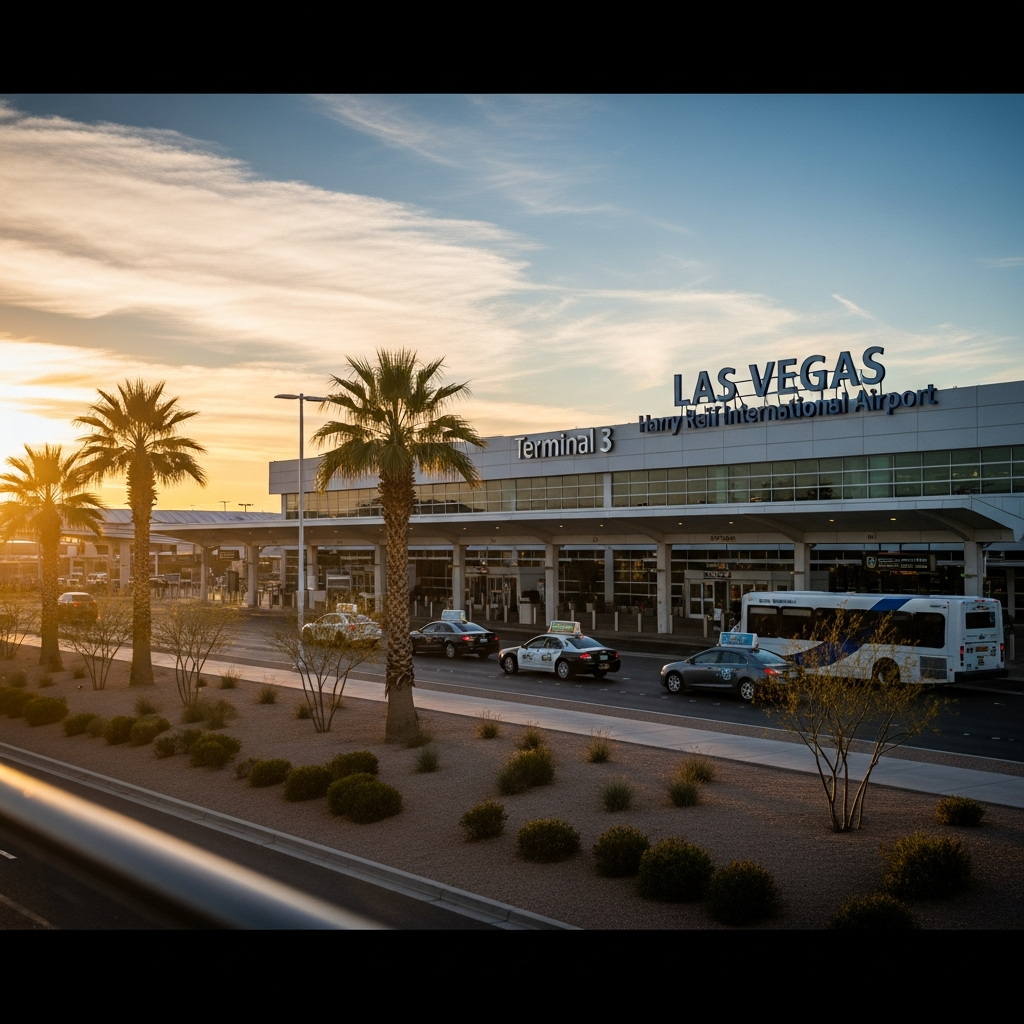
LAS is the three-letter IATA code for Harry Reid International Airport in Las Vegas, Nevada. It used to be McCarran International Airport — named after a senator — until February 2021 when they officially changed the name. The code itself? Still LAS. They kept that part the same, which honestly makes life easier for everyone booking flights.
The “LAS” comes from Las Vegas. Pretty straightforward once you know. You’ll see it on your boarding pass, your luggage tags, and basically every screen at the departure gate. Airlines, travel agents, logistics companies — they all use this three-letter shorthand so nobody accidentally ships your bag to Lancaster or something.
A Quick Story About Getting Lost at LAS
First time I flew into Vegas, I had no idea where I was going. Walked off the plane, followed the crowd, somehow ended up at a slot machine before I found baggage claim. That’s Vegas for you. The airport sits about five miles south of the Strip, which sounds close until you’re dragging luggage through a rideshare line at 11 PM.
But here’s the thing — LAS handles something like 50 million passengers a year. It’s one of the busiest airports in the country. And despite that, the layout is actually pretty reasonable once you figure out the terminal situation.
Terminal 1 and Terminal 3 — Wait, Where’s Terminal 2?
Good question. There is no Terminal 2. They just skipped it. Don’t ask me why. Here’s what you actually need to know:
Terminal 1 handles most domestic flights. It has gates in four concourses — A, B, C, and D. You’ll find the usual mix of fast food, sit-down restaurants, and shops selling overpriced neck pillows. Most of the major domestic carriers fly out of here.
Terminal 3 is where international flights come and go. It uses the E gates and has the U.S. Customs and Border Protection setup. If you’re flying in from another country, this is where you’ll clear immigration. Some domestic flights use Terminal 3 too, so double-check your gate assignment before you commit to a terminal.
There’s a free shuttle between the two terminals, by the way. Takes about five minutes. The signage inside the airport is honestly pretty decent, so you shouldn’t have too much trouble finding your way. I say “shouldn’t” because I still managed to walk the wrong direction at least twice last time.
Getting To and From the Airport
You’ve got options. Taxis line up outside baggage claim and they’ll run you about $20-25 to most Strip hotels. Uber and Lyft both operate at LAS — the pickup area is at Level 2 of the parking garage, which threw me off the first time. You have to walk a bit.
The RTC bus system runs routes connecting the airport to downtown and the Strip. It’s the cheapest option by far, maybe a couple bucks. Takes longer, obviously, but if you’re not in a rush and you’re traveling light, it works fine.
There’s also a Rental Car Center near the airport. You take a shuttle bus from the terminals to get there. It’s a big facility with all the usual rental companies under one roof. I’ve rented there a few times and the process is about what you’d expect — some waiting, some paperwork, then freedom.
Wi-Fi, Lounges, and Other Perks
Free Wi-Fi throughout the entire airport. No time limits, no weird login hoops. Just connect and go. That’s what makes LAS notable — for such a massive facility, they keep the basics simple.
Self-check-in kiosks are scattered around both terminals if you need to print a boarding pass or check a bag without waiting in line. The automated baggage systems work reasonably well, though I’ve had the occasional delay just like anywhere else.
If you’ve got a long layover, there are several lounges. Some are airline-specific, others accept day passes. They’re a nice escape from the noise — and yes, from the slot machines that seem to follow you everywhere in this airport.
What’s Coming Next for LAS
The airport has been in expansion mode for a while now. They’re working on new gate areas, upgraded security screening lanes, and better passenger facilities overall. Las Vegas keeps growing as a destination, so the airport has to keep pace. Makes sense.
I’ve heard they’re also modernizing some of the older parts of Terminal 1, which could use it. The bones are good, but some of those concourses feel like they haven’t been touched since the early 2000s. A fresh coat of paint and some updated seating would go a long way.
Bottom line: LAS is a well-run airport that handles a ridiculous volume of travelers without completely falling apart. Know your terminal, leave time for the rideshare pickup, and maybe don’t put twenty bucks in the slot machine by gate C15. Or do. It’s Vegas.
Recommended Aviation Gear
David Clark H10-13.4 Aviation Headset – $376.95
The industry standard for aviation headsets.
Pilots Handbook of Aeronautical Knowledge – $25.42
Essential FAA handbook for every pilot.
As an Amazon Associate, we earn from qualifying purchases.



Stay in the loop
Get the latest airport pin updates delivered to your inbox.