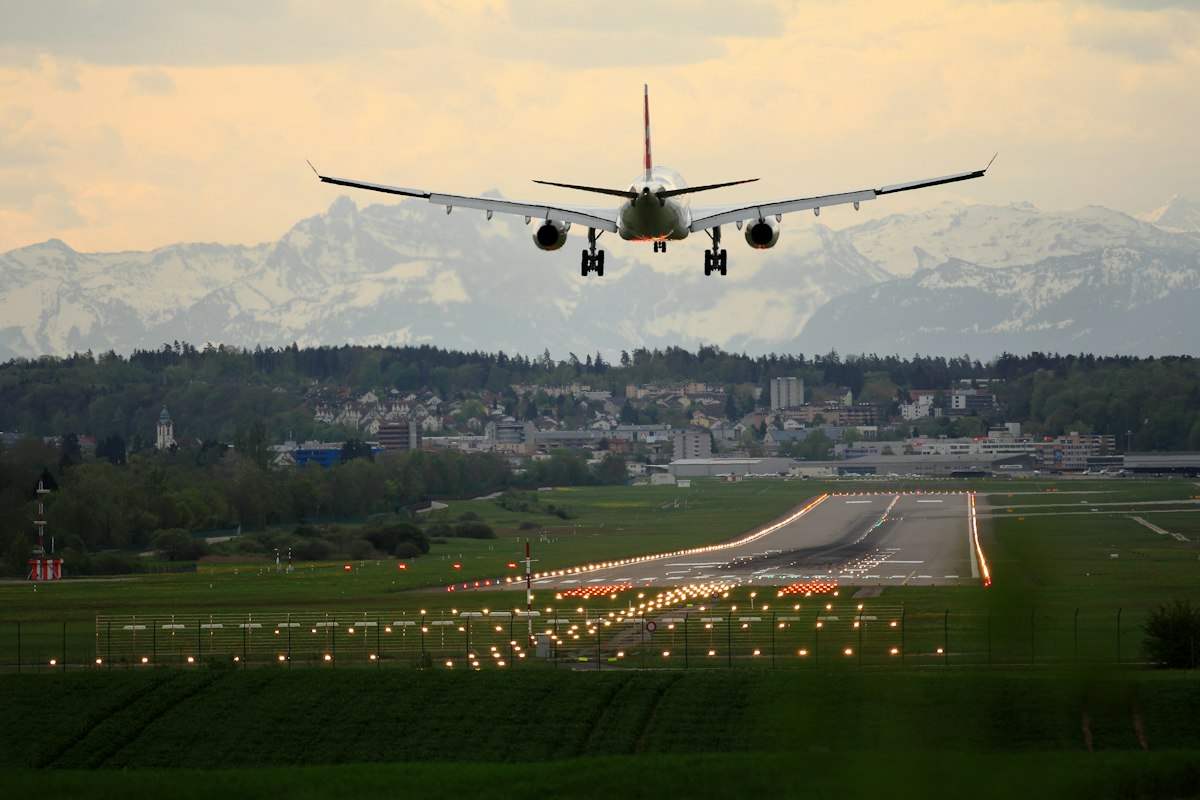
The first time I flew into Las Vegas, I pressed my face against the window like a kid. The Strip was right there — this impossibly bright line of hotels and casinos glowing in the desert, and the plane was so low on approach I could practically read the marquee signs. That landing sold me on Harry Reid International Airport before I even stepped off the jet bridge. But getting to know the actual airport took a few more visits.
A Quick History Lesson
Probably should have led with this — the airport started life in 1942 as McCarran Field, serving as a training base during World War II. After the war ended, it shifted to commercial service and just kept growing from there. Decades of expansions followed as Vegas transformed from a dusty desert town into an international destination. Then in December 2021, it was renamed Harry Reid International Airport after the former Nevada senator. The airport code stayed LAS, because apparently changing three letters in every airline database on Earth is more trouble than anyone wants to deal with.
Terminal Layout: Two Buildings, No Terminal 2
The airport has Terminal 1 and Terminal 3. Yes, I know what you’re thinking. There’s no Terminal 2. It existed in a previous layout and they just didn’t reuse the number when they rebuilt. I found that confusing the first time and honestly still find it a little odd.
Terminal 1 is the main domestic hub. Four concourses — A, B, C, and D. Southwest and Delta are the heavy hitters here. Concourse D has this nice open atrium area with a bunch of dining options. It’s probably the best spot to hang out if you’ve got time to kill before a flight. Check-in, security, baggage claim — it’s all here and organized well enough that the crowds stay manageable, even when they’re big.
Terminal 3 is the international side. Fourteen gates, modern customs and immigration setup. Airlines like British Airways, Virgin Atlantic, and Korean Air operate from here. The design is newer and sleeker — you can tell it was built with higher traffic in mind. Getting through customs here has been quicker than I expected every time, though I’m sure that varies.
Transportation: Getting To and From LAS
Most people grab a taxi or ride-share. Uber and Lyft have designated pickup spots, and the taxi lines move fast. The RTC of Southern Nevada runs bus service connecting the airport to the broader city network, which is a cheaper option if you’re not in a rush.
A word of hard-won advice: during CES or any major convention, transportation from the airport gets chaotic. Ride-share prices spike, taxi lines stretch forever. If you know you’re arriving during one of those weeks, arrange something in advance. I learned this the expensive way.
Parking Options
Short-term parking is right near the terminals for quick drop-offs. Long-term lots are farther out but more affordable, with shuttle service. Economy parking exists too, and valet is available at Terminal 1 if you want the luxury treatment. Honestly the parking is well-organized — I’ve left my car in long-term for a five-day trip and the shuttle pickup was always under ten minutes.
Food, Shopping, and Airport Life
Las Vegas airports has gotten complicated with all the options flying around — or maybe that’s a good problem. You can go the fast food route, grab coffee, or sit down at an actual restaurant with a real menu. I had a steak sandwich at one of the Terminal 1 places a couple years back that was genuinely good. Not “good for an airport” good, but actually good.
Shopping covers duty-free for international travelers, specialty stores, and the predictable souvenir shops. If you didn’t grab a Vegas shot glass on the Strip, don’t worry. The airport has approximately four thousand of them.
Lounges and Relaxation
Several airline lounges are available if you have access. The Centurion Lounge by American Express is popular — free food, drinks, workstations, the works. Delta and United have their own lounges too. I’ve used the Centurion Lounge during a long layover and it was worth it just for the quiet. Airports are loud. Having a place to sit that isn’t is underrated.
Accessibility and Special Assistance
Wheelchair assistance, TTY phones, dedicated parking — all available. The staff I’ve interacted with have been helpful when I was traveling with someone who needed extra support. LAS handles a high volume of tourists, including elderly travelers and families, so the accessibility infrastructure has had to keep up. From what I’ve seen, it does.
Security at LAS
Multiple TSA checkpoints with newer screening equipment. Lines can get long during peak hours, but they move. The standard advice applies: arrive early, pack smart, wear shoes you can take off quickly. LAS publishes clear guidelines on what’s allowed in carry-on and checked bags, and I’d actually recommend reading them if it’s been a while since you last flew.
Sustainability Efforts
Solar panels are a big part of the energy strategy — which makes sense, you’re in the desert. Water conservation programs are in place because, again, desert. Recycling initiatives, waste reduction, and noise mitigation for the surrounding neighborhoods round out the environmental picture. It’s an ongoing effort and they’re making visible progress.
Fun Details You Might Not Know
That’s what makes LAS endearing to me — the little Vegas touches. Slot machines in the terminal. Real, working slot machines past security. I don’t gamble, but watching people play them while waiting for a flight is its own kind of entertainment. There’s also an artwork program showcasing local and international artists, which adds character to what could otherwise be generic airport hallways. And if you’re an aviation nerd, the Flight Path viewing area on the east side gives you a front-row seat to takeoffs and landings. Bring a camera.
Harry Reid International Airport is one of those airports that actually feels connected to the city it serves. It’s efficient, it’s got personality, and it handles a staggering number of passengers without falling apart. Whether you’re visiting for work, a wedding, or to blow your savings at a blackjack table, the airport does its part to start and end the trip on solid footing.
Recommended Aviation Gear
David Clark H10-13.4 Aviation Headset – $376.95
The industry standard for aviation headsets.
Pilots Handbook of Aeronautical Knowledge – $25.42
Essential FAA handbook for every pilot.
As an Amazon Associate, we earn from qualifying purchases.