I’ve flown in and out of Louisiana more times than I can count, mostly through New Orleans but also through a few of the smaller regional fields. Each one has its own personality, and honestly some of them surprised me in good ways. Let me walk you through what I know firsthand, plus some details I’ve picked up from friends who travel the state regularly.
Louis Armstrong New Orleans International Airport (MSY)
MSY is the big one and the airport most people think of when Louisiana comes up. Located in Kenner, just outside New Orleans proper, it handles millions of passengers a year and offers direct flights to over 50 cities. Southwest, Delta, American Airlines, and several others all operate here.
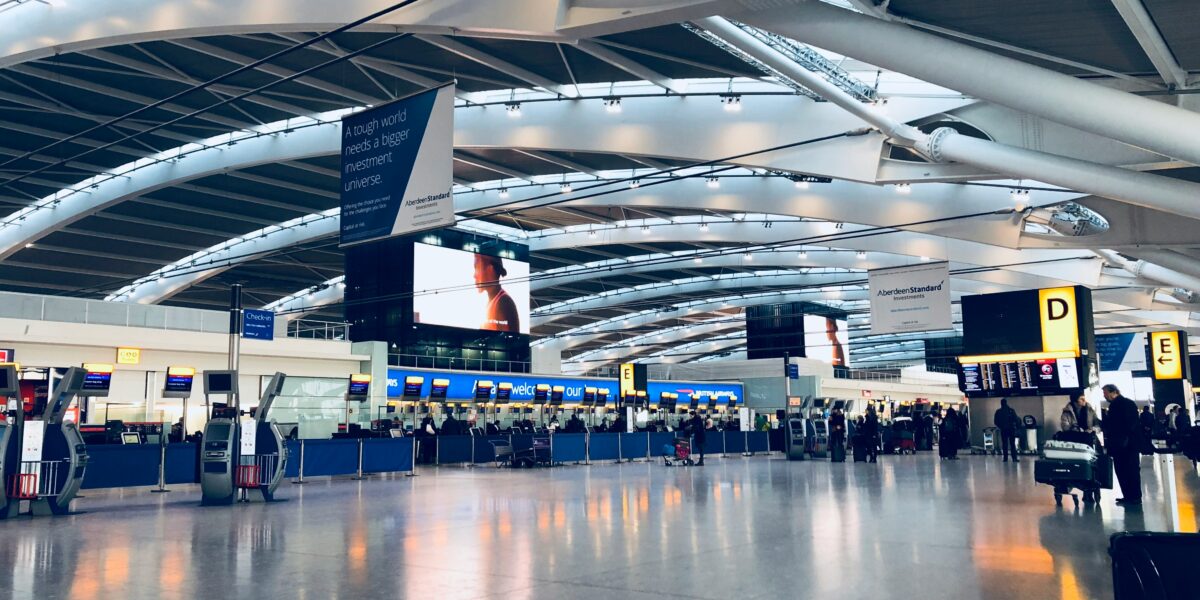
The new terminal opened in 2019, and it’s a genuine improvement. I flew through the old one plenty of times, and while it had a certain charm, “dated” is the polite word for what it was. The new building has three concourses (A, B, and C), solid dining options, and art installations that actually feel like New Orleans instead of generic airport decor. I spent twenty minutes looking at a jazz-themed exhibit near my gate last time and didn’t regret a second of it.
Parking covers the usual spread: short-term, long-term, and economy. Ground transportation includes taxis, shuttles, and rideshare. Pretty standard stuff, but it all works. The ride into the French Quarter takes about 30 minutes depending on traffic, which is manageable.
Baton Rouge Metropolitan Airport (BTR)
BTR serves the state capital with mostly domestic flights. Delta, American, and United have regular service here, connecting Baton Rouge to the bigger hub cities. It’s located north of downtown, and getting to and from the airport is about as painless as airport commutes get.
I’ve used BTR a few times when I had meetings in Baton Rouge and didn’t want to deal with the extra drive from New Orleans. It’s smaller and quieter, which honestly is part of the appeal. Shorter security lines, less chaos, and you can park closer to the terminal. If you’re flying to Baton Rouge specifically, there’s no reason to route through MSY and rent a car for the hour-plus drive.
Two runways handle domestic traffic. Rental cars are available on-site, and parking options are reasonable. Not much to complain about here.
Lafayette Regional Airport (LFT)
Lafayette sits right in the heart of Cajun country, and LFT connects the Acadiana region to hub cities like Atlanta, Houston, and Dallas. American Eagle, Delta Connection, and United Express all operate from here. The airport has been expanding recently to handle growing passenger demand, which is a good sign for the area.
I flew through LFT once on my way to a crawfish festival (yes, really), and it was one of the most relaxed airport experiences I’ve had. Three airlines running daily flights, ongoing terminal renovations to improve the facilities, and coffee shops and gift stores inside. Not a lot of frills, but everything functions. That’s what makes LFT appealing. It does exactly what it needs to do without pretending to be something bigger.
Shreveport Regional Airport (SHV)
SHV serves northwestern Louisiana and actually pulls passengers from East Texas and Western Arkansas too, given its location near the state borders. Airlines here include Allegiant, American, Delta, and United. Four carriers with various connections gives you decent flexibility for a regional airport.
I haven’t personally flown through Shreveport, but a friend of mine uses it regularly for work trips and swears by it. Apparently the valet parking service is a nice touch, and security screening moves quickly because the passenger volume stays manageable. The airport links Shreveport to the larger hubs efficiently, which is really all you need it to do.
Alexandria International Airport (AEX)
AEX is central Louisiana’s main airport, located in Rapides Parish. It’s a former military base that was converted for civilian use, which gives it some interesting characteristics. The runways are oversized for a regional airport because they were built to handle military aircraft, for one thing.
American and United Airlines connect AEX to Dallas/Fort Worth and Houston. The big selling point here is the short lines. A colleague told me he once walked from his car to his gate in under ten minutes, security included. I can’t verify that personally, but given the low passenger volume it doesn’t sound far-fetched. There’s ample parking and multiple car rental options on-site.
Monroe Regional Airport (MLU)
MLU handles the Monroe area in northern Louisiana, connecting to major southeastern hubs. Delta, American, and United offer service here. The airport has expanded and modernized its facilities over recent years, which shows in the terminal. It’s clean, the amenities work, and the dining options exist. Nothing fancy, but functional.
Three airlines running daily flights from a regional airport in northern Louisiana is honestly pretty good coverage. You can connect to most of the country through the hub cities these carriers serve.
Lake Charles Regional Airport (LCH)
Down in the southwestern corner of the state, LCH serves the Lake Charles metro area. American Eagle and United Express are the main carriers, connecting primarily to Houston and Dallas. The terminal was rebuilt in 2009, so it’s relatively modern.
Travelers who’ve used LCH seem to like it for the same reasons people like the other smaller Louisiana airports: easy navigation, quick check-in, no-hassle parking. Two daily flights to major hubs cover the basics. If you’re visiting Lake Charles for the casinos or the Creole cuisine, this airport does the job.
The Smaller Regional and Municipal Airports
Beyond the commercial airports, Louisiana has a bunch of smaller regional and municipal fields that handle private aviation, local business flights, and occasional special events. Natchitoches Regional and Houma-Terrebonne are two examples. These aren’t places you’re booking a commercial ticket to, but they’re important to their local economies.
They support aerial operations like crop-dusting, which is still a real thing in agricultural Louisiana. Air shows happen at some of these fields too. And critically, they serve as staging points for medical evacuations and supply deliveries during hurricane season, which, if you know Louisiana, you know is not a minor consideration.
The Bigger Picture for Louisiana Aviation
Airports across the state have been investing in infrastructure improvements and upgrades. MSY’s new terminal is the most visible example, but the trend extends to the smaller airports too. Sustainability measures like water-conserving fixtures and energy-efficient lighting are being adopted. Security systems are getting upgraded. Digital boarding options are rolling out.
The economic impact of these airports collectively is substantial. Tourism, business travel, cargo transport. Louisiana’s airports facilitate all of it, and the state’s economy depends on keeping them running well. I think the investments being made now will pay off as travel demand continues to grow. The airports may not all be glamorous, but they work, and that’s what matters when you’ve got a flight to catch.
Recommended Aviation Gear
David Clark H10-13.4 Aviation Headset – $376.95
The industry standard for aviation headsets.
Pilots Handbook of Aeronautical Knowledge – $25.42
Essential FAA handbook for every pilot.
As an Amazon Associate, we earn from qualifying purchases.



Stay in the loop
Get the latest airport pin updates delivered to your inbox.