
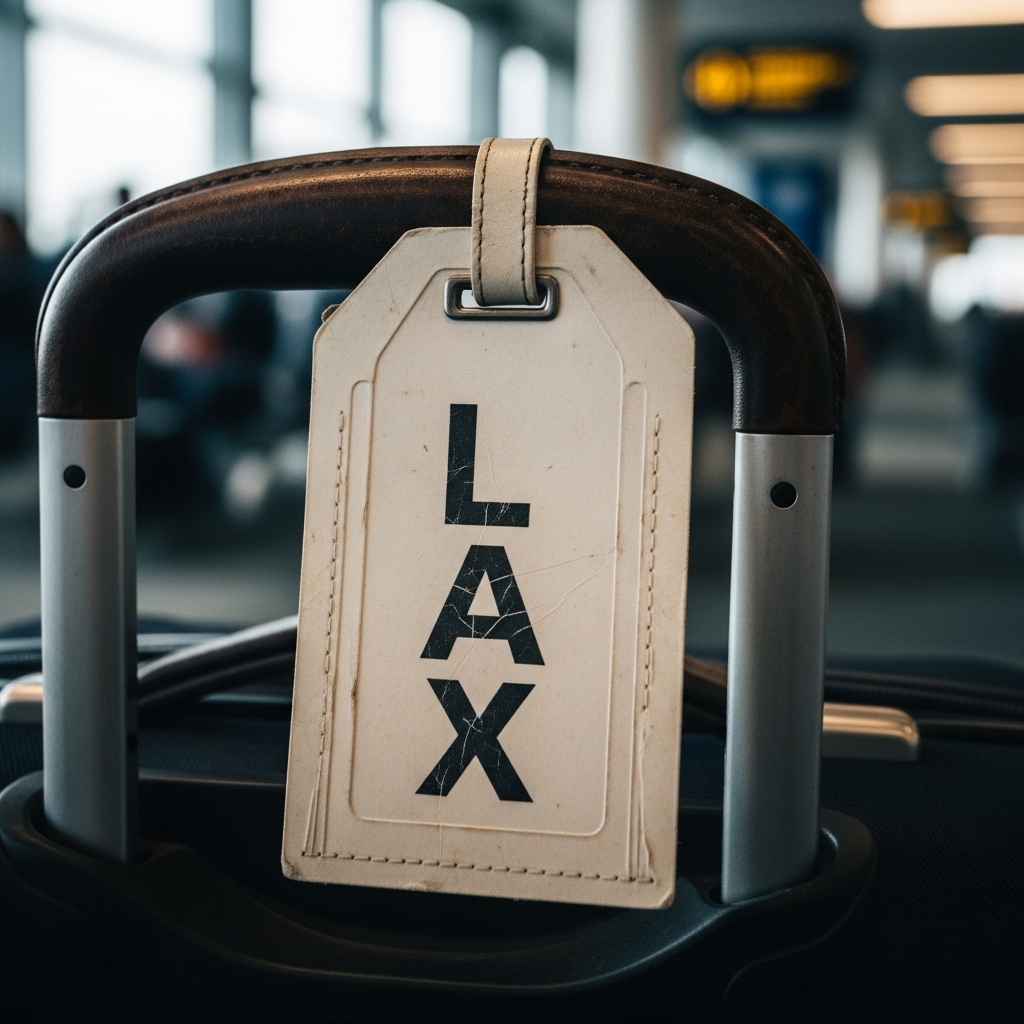
That’s sort of the whole point. Three letters. Every airport. Worldwide. I’ve been a frequent flier for about twelve years now, and I genuinely think this might be the most elegantly stubborn system in modern travel.
Why Three? Why Not Two or Four?
Okay so here’s the math, and I promise this is the only math. Three letters gives you 17,576 possible combinations. There are roughly 10,000 airports worldwide that need codes. So you’ve got comfortable headroom — enough to assign memorable codes without running out anytime soon.
Two letters? Only 676 options. They tried that in the early days and hit the ceiling almost immediately. Four letters exist too — that’s the ICAO system pilots use — but for passengers, four is clunky. Nobody wants to type KJFK into a booking app. three letters is the sweet spot between “enough combinations to be unique” and “short enough to fit on a luggage tag.” That’s literally why.
The Patterns You Start Recognizing
Once you fly enough, you stop looking up codes and start just knowing them. Atlanta is ATL. Denver is DEN. They took the first three letters of the city name, easy. San Francisco is SFO — first letter of each word. Dallas/Fort Worth does DFW, same logic.
But then there are the ones that break the pattern. I flew into ORD for years before someone told me it stands for Orchard Field, O’Hare’s old name. Canadian airports almost all start with Y because of how the ICAO system bled into IATA assignments — Toronto is YYZ, Vancouver is YVR, Calgary is YYC. I spent a whole flight from Montreal once trying to figure out the Y thing and got three different explanations from three different people. Still not entirely sure which one was right.
When the Obvious Code Is Already Taken
This is where things get fun. Charlotte wanted CHA but that was taken by Chattanooga, so they ended up with CLT. New Orleans is MSY because the airport sits on what used to be the Moisant Stock Yards. Cincinnati’s main airport is technically in Kentucky and uses CVG for the nearby city of Covington. Every “weird” code has a story, and the story is almost always that someone else got there first.
Why This Still Matters in the App Age
You might think with modern search engines and GPS, three-letter codes would be obsolete. But they’re baked into everything. Baggage routing systems use them to sort your luggage through connections. Airline pricing algorithms reference them. Flight tracking apps display them. Even your airline loyalty program statement lists cities by code.
That’s what makes the three-letter system notable. It was designed in an era of paper tickets and manual luggage sorting, and it works just as well with digital boarding passes and automated baggage carousels. Seventy-something years old and still going. Not bad for three letters.



Stay in the loop
Get the latest airport pin updates delivered to your inbox.