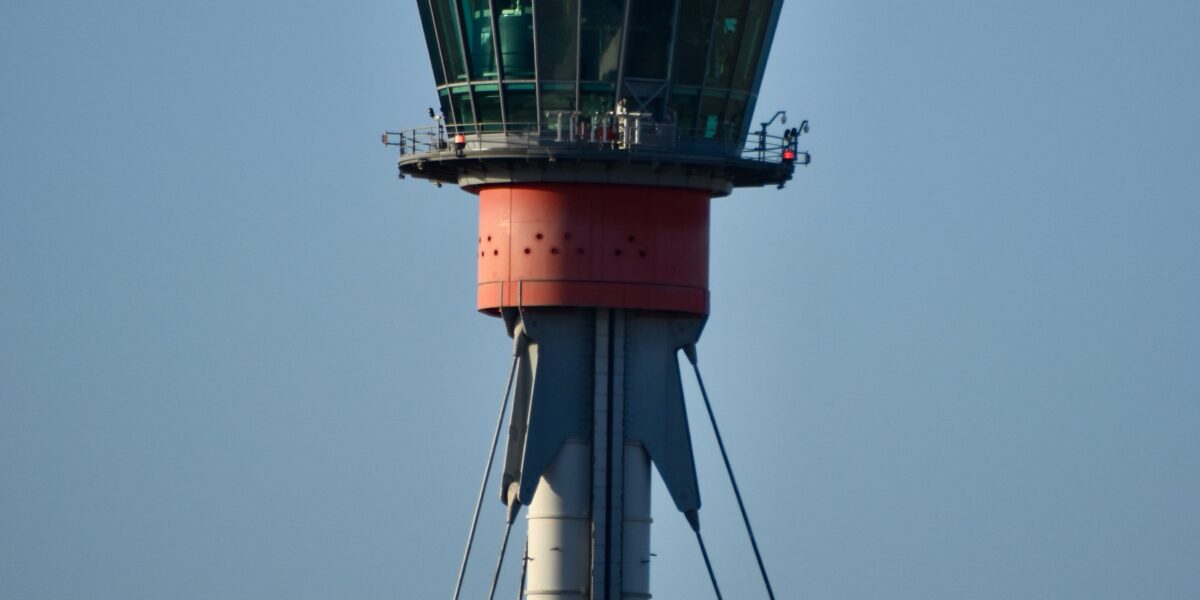
But if you strip all that away and just look at what airports actually do for the places they serve, the picture is pretty clear. I’ve thought about this more than most people probably do, partly because I live about fifteen minutes from a regional airport and I’ve watched what happens to a community when air service improves — and what happens when it doesn’t.
Economic Impact
This is the big one, and it’s not subtle. Airports are economic engines. A decent-sized airport creates thousands of jobs directly — airline employees, ground crew, security, maintenance workers, air traffic controllers, retail and food service staff inside the terminal. Then you’ve got the indirect jobs: hotels, rental car companies, ride-share drivers, restaurants near the airport, warehouses and logistics operations that depend on air cargo. The ripple effect is real.
I read a stat a while back that major airports can generate billions of dollars in economic activity for their regions annually. Even smaller regional airports punch above their weight. The one near me employs maybe a couple hundred people directly, but the businesses that exist because of it — the hotels along the access road, the parking lots, the courier services — that adds up fast. When an airline pulls out of a small city, you feel it in the local economy almost immediately. Restaurants close, hotels cut staff, the whole ecosystem takes a hit.
airports are also huge for real estate values. Areas with good airport access tend to attract corporate offices and distribution centers. Companies want their people to be able to fly in and out easily, and they want their goods to move fast. That drives commercial development, which drives residential growth, which drives tax revenue. It’s a whole chain.
Tourism and Connectivity
This one’s more obvious but still worth talking about. Airports connect places to the rest of the world, and that connection is what makes tourism possible at any real scale. You can have the most beautiful beaches or the best ski slopes on the planet, but if people can’t get there easily, tourism stays small. An airport — especially one with direct routes to major cities — opens the floodgates.
I’ve seen this firsthand with a couple of smaller cities that got new direct flights to big hubs. Tourism numbers jumped noticeably within a year or two. More visitors means more spending at local businesses, more demand for hotels and restaurants, more jobs in the service sector. It also works in reverse — airports let residents of smaller cities access destinations they otherwise couldn’t reach without a long drive. My parents live in a mid-size town, and when the local airport added a direct flight to Chicago, it changed how they thought about weekend trips. Before that, flying anywhere meant a two-hour drive to the nearest hub just to start.
International airports take this to another level. They’re gateways for foreign tourists, business travelers, and cultural exchange. The cities with the best international connectivity — think New York, London, Dubai, Singapore — benefit enormously from that access. It shapes their identity as global cities.
Cultural and Social Impact
This is the one people don’t always think about, but airports bring people together. Literally. They’re where families reunite, where students head off to study abroad, where immigrants arrive in a new country for the first time. I’ve stood in enough arrival halls to know that airports are some of the most emotionally charged places on earth. There’s a reason people cry at airports — it’s where big life moments happen.
Beyond the personal stuff, airports facilitate cultural exchange at a broader level. They make it possible for people from completely different backgrounds to visit each other’s countries, experience different ways of life, and bring those experiences home. That’s not nothing. In a world where it’s easy to stay in your bubble, airports are one of the mechanisms that keep things mixing. I took a trip to Japan a few years ago that genuinely changed how I think about public infrastructure and urban design. That trip doesn’t happen without airports. Well — I guess technically boats exist, but you know what I mean.
Innovation and Technology
Airports are quietly some of the most technologically advanced facilities most people ever set foot in. Think about what has to work simultaneously: air traffic control systems tracking hundreds of flights, automated baggage handling moving thousands of bags per hour, biometric screening, real-time flight information displays, security scanning technology, weather monitoring systems. It’s a lot of moving parts, and most of it works remarkably well most of the time.
That’s what makes airports interesting when you think about it — they’re these massive, complicated operations that we all just take for granted until something goes wrong. The technology that runs them is constantly evolving too. Biometric boarding is becoming more common. Automated passport control kiosks have cut international arrival times significantly. Some airports are experimenting with autonomous vehicles for ground transport and AI-driven systems for managing gate assignments and reducing delays.
The push for sustainability is driving innovation too. Electric ground vehicles, solar panel installations, more efficient terminal designs, sustainable aviation fuel programs — airports are under pressure to reduce their environmental footprint, and that pressure is producing real results in some places. It’s slower than a lot of people want, but it’s happening.
Education and Community
A lot of airports invest in their surrounding communities in ways that don’t make headlines. Aviation education programs, partnerships with local schools, internship pipelines, noise mitigation funds for nearby neighborhoods, community grants. The airport near me sponsors a scholarship program for students interested in aviation careers, and they host field trips where elementary school kids get to tour the control tower. Small stuff, maybe, but it builds a connection between the airport and the community it operates in.
There’s also the workforce development angle. Airports need a wide range of skills — mechanics, engineers, IT professionals, logistics coordinators, hospitality workers, security specialists. A lot of airports partner with community colleges and trade schools to build training programs that feed directly into airport jobs. For people in areas where good-paying jobs are hard to find, that pipeline matters a lot.
I think we tend to take airports for granted because they’re just always there. You drive past them, you fly out of them, you complain about them. But when you actually step back and think about everything they do — the jobs, the connectivity, the cultural exchange, the technology, the community investment — it’s hard not to appreciate what they bring to the table. They’re not perfect, and there are real issues around noise, emissions, and community displacement that deserve attention. But the net impact? It’s overwhelmingly positive, and most places would be significantly worse off without them.



Stay in the loop
Get the latest airport pin updates delivered to your inbox.