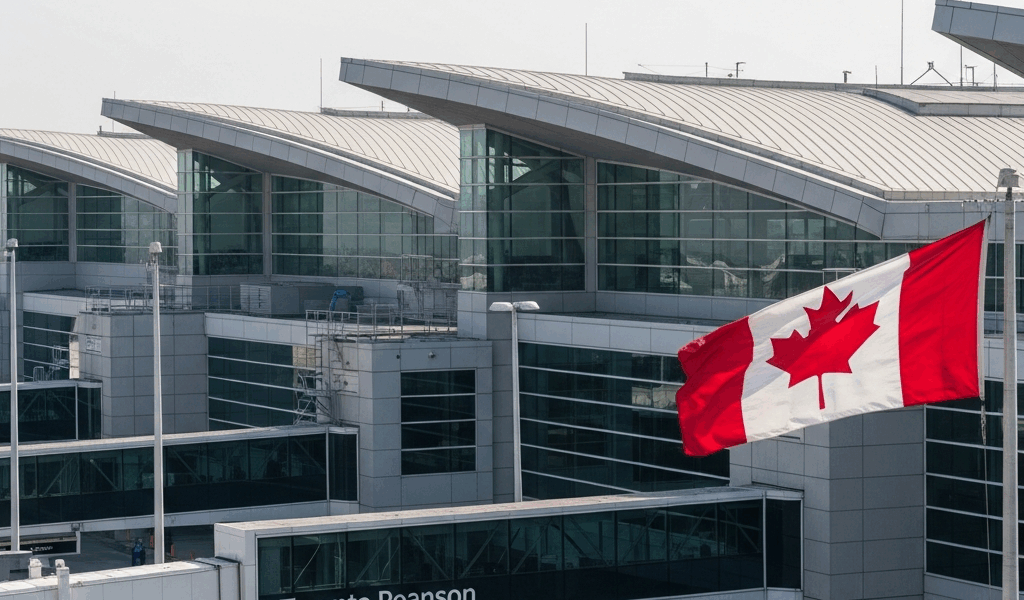
Your boarding pass says YYZ and you are going to Toronto. Not TOR, not YTO — YYZ. And yes, Rush wrote a song about it. But where did those three letters actually come from?
What Does YYZ Actually Stand For?
YYZ comes from the Malton railway station near Toronto Pearson International Airport. The airport sits in the area formerly known as Malton, Ontario. When Canadian airports were integrated into the IATA system, the code was derived from the local railway telegraph identifier — YZ for the Malton station — with a Y prefix added per the Canadian convention. The result: YYZ.
Why All Canadian Airport Codes Start With Y
This is the piece that makes YYZ less random than it appears. When IATA standardized airport codes internationally, Canadian airports were assigned codes starting with Y as a country-level prefix. This came from the existing two-letter railway telegraph station codes — adding Y to the front made them into three-letter IATA codes.
The pattern holds across Canada: YVR (Vancouver), YOW (Ottawa), YUL (Montreal), YEG (Edmonton), YWG (Winnipeg), YHZ (Halifax). Every major Canadian airport code starts with Y. The second and third letters usually derive from the city name or the local area — OW for Ottawa, UL for the original name Dorval/Montreal, VR for Vancouver. YYZ’s “YZ” comes from the Malton telegraph designation.
The Rush Connection
The Canadian rock band Rush named their 1981 instrumental track “YYZ” after the airport code. The opening riff plays the letters Y-Y-Z in Morse code: dash-dot-dash-dash, dash-dot-dash-dash, dash-dash-dot-dot. Neil Peart wrote the song about the feeling of coming home to Toronto after touring — the moment the plane descends toward Pearson and the relief of being back. The song won a Grammy nomination and permanently connected the airport code to Canadian pop culture.
Toronto Pearson itself embraced the connection. The Morse code rhythm is embedded in the airport’s branding, and YYZ merchandise is sold in the terminal. For many travelers, Rush is the reason they know the code at all — which is an unusual path for an airport identifier that originated from a railway telegraph station in a suburb called Malton.
Toronto Pearson Today
YYZ handles over 50 million passengers annually and is Canada’s busiest airport by a significant margin. It serves as the primary international gateway to Canada and is a major connecting hub for flights between the United States and Europe, Asia, and the Middle East. Two terminals, five runways, and the same three-letter code that was borrowed from a railway station decades before the airport became one of North America’s busiest.




Stay in the loop
Get the latest airport pin updates delivered to your inbox.