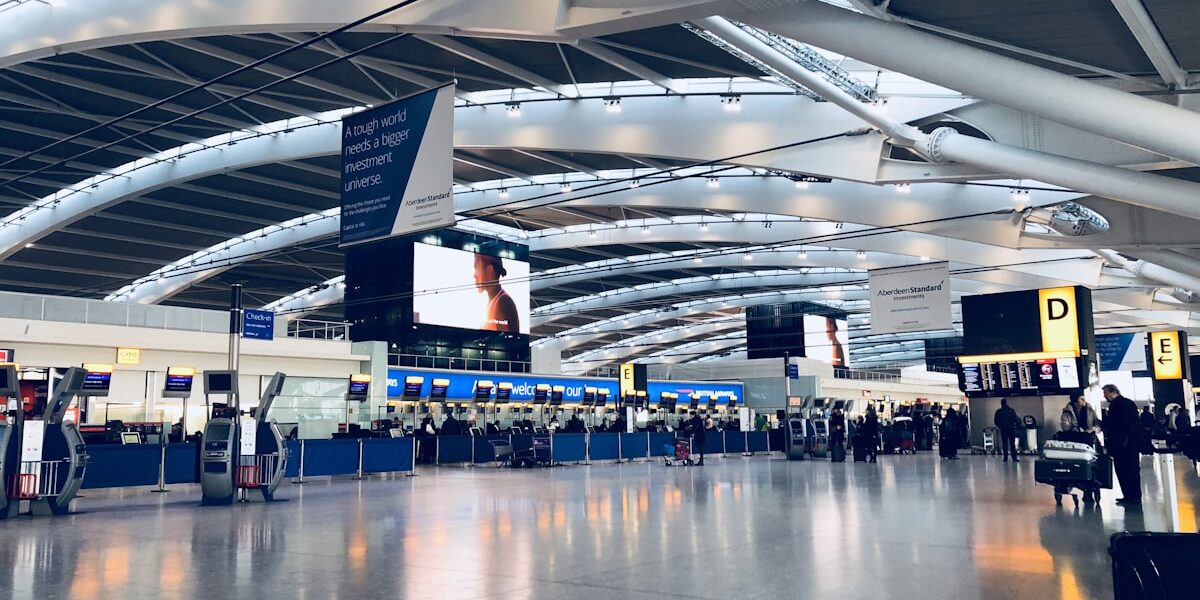
I flew into Birmingham-Shuttlesworth International for the first time about four years ago, and the thing that struck me right away was how manageable the whole place felt. After spending too many hours lost in sprawling hub airports, walking into a terminal where I could actually see my baggage carousel from the gate area was a genuine relief. It is not a tiny airport by any means, but it is sized in a way that makes sense for the traveler who just wants to get where they are going without a twenty-minute hike between connections.
A Bit of Background
the airport has been around since 1931. It started out as a pretty basic operation, mainly handling airmail for the U.S. Postal Service. The first terminal was about as no-frills as you would imagine for that era. World War II changed things significantly — the military expanded the facilities during the war, and afterward it transitioned back to civilian use with a lot more capacity than before. In 2008, they renamed it Birmingham-Shuttlesworth International Airport to honor Fred Shuttlesworth, the civil rights activist. I did not actually know that backstory until my second trip there, and it added a layer of meaning to the place that I appreciated.
The Terminal and What Is Inside
The airport covers over 2,000 acres and the main terminal has more than 20 gates. It is big enough to offer real amenities but not so big that you feel like you need a map to find coffee. Free Wi-Fi works well throughout the building, which is something I always test immediately after landing because not every airport delivers on that promise. Dining options include local food and the usual fast food chains. There are shops for travel stuff and souvenirs if you are into that.
Runways and Flight Operations
Birmingham has two main runways, both over 10,000 feet long. That is plenty of length to handle everything from small regional jets to the larger aircraft that fly international routes. They have high-intensity lighting and solid navigation systems for bad weather landings, which matters more than you might think in a part of the country where afternoon thunderstorms can roll in fast. Hundreds of flights move through daily, connecting to hubs like Atlanta, Dallas, and Chicago.
What It Means for the Local Economy
The airport supports something like 17,000 jobs and pumps billions of dollars into the regional economy each year. That number surprised me when I first looked it up. Between passenger spending, business travel, and cargo operations, the economic footprint extends well beyond just the airline industry. A lot of nearby businesses depend on the airport for shipping and logistics too. It is one of those things where you do not think about how much an airport matters to a city until you actually look at the numbers.
Airlines That Fly Out of Here
The major carriers you would expect are all here:
American Airlines — connects to their hubs and a good chunk of domestic destinations.
Delta Air Lines — reliable service, especially the Atlanta connection which is practically a shuttle at this point.
Southwest Airlines — usually the budget-friendly option, and they run enough flights to give you scheduling flexibility.
United Airlines — fills in the gaps with connections through their hub cities.
Having four major carriers competing means you can usually find reasonable fares if you book ahead, which is not always the case at smaller regional airports. I have scored some genuinely good deals flying out of Birmingham by being flexible with my dates.
Getting Around Once You Land
Ground transportation options are solid. Car rental agencies operate right on the premises, which saves the annoyance of a shuttle ride to an off-site lot. Uber and Lyft both have designated pickup and drop-off areas that are clearly marked — I used Lyft last time and the driver found me within five minutes. Taxis are available too, and the airport connects easily to the major highways, so getting downtown or to the surrounding areas is straightforward. Public transit exists as an option though I have not personally used it from the airport.
Security Setup
TSA runs things here with their standard screening protocols. They use advanced imaging technology and the usual screening procedures. I have never had an unusually long wait at Birmingham security, even during what I would consider moderately busy times. That said, I always build in a buffer because the one time you do not is the one time everything backs up. The airport runs regular safety drills and updates their procedures in line with national standards, which is all the behind-the-scenes stuff you never see but should feel good about.
Environmental Efforts
They have got waste reduction programs in place, energy-efficient systems throughout the terminal, and sustainable design elements built into their newer expansions. I am not going to pretend I inspected their recycling bins on my way through, but it is good to know the airport is at least making an effort on the environmental front. They are working on reducing their carbon footprint, which for an airport is a tall order but a worthwhile one.
Things to Do Nearby
If you have time before or after your flight, Birmingham has some genuinely interesting spots within a short drive of the airport:
Barber Motorsports Park — worth a visit even if you are not a racing fan. The motorcycle museum alone is impressive.
Sloss Furnaces National Historic Landmark — an old iron furnace turned into an industrial history site. It sounds niche but it is actually fascinating.
Birmingham Civil Rights Institute — given the airport’s namesake, this feels especially fitting. It is a powerful museum that I would recommend to anyone passing through the city.
Hotels and motels near the airport range from upscale to budget-friendly, so you can find something that fits whether you are on a corporate expense account or watching every dollar.
More Than Just a Transit Point
That’s what makes Birmingham’s airport appealing to me. It is woven into the fabric of the city in ways that go beyond just moving people from point A to point B. They host events with local organizations, participate in community programs, and generally act like they are part of the neighborhood rather than just an industrial operation that happens to be nearby. The Fred Shuttlesworth naming is not just a nice gesture — it reflects a real connection between the airport and Birmingham’s history.
For a mid-sized airport, Birmingham-Shuttlesworth delivers where it counts. It is easy to navigate, the connections are useful, and the surrounding city gives you reasons to stick around if your schedule allows it. I have flown through plenty of airports that technically have more to offer on paper but feel far less welcoming in practice.
Recommended Aviation Gear
David Clark H10-13.4 Aviation Headset – $376.95
The industry standard for aviation headsets.
Pilots Handbook of Aeronautical Knowledge – $25.42
Essential FAA handbook for every pilot.
As an Amazon Associate, we earn from qualifying purchases.




Stay in the loop
Get the latest airport pin updates delivered to your inbox.