
New Mexico Airports: An Honest Traveler’s Rundown
Flying into New Mexico has gotten complicated with all the conflicting advice flying around about which airport to use, which ones actually have commercial service, and whether you should just fly into Albuquerque and drive everywhere. I’ve flown into three different New Mexico airports over the years — for work, for a road trip that started in Santa Fe, and once because I got a weirdly cheap fare into Roswell (yes, really) — so I have some actual opinions here. Let me walk you through what the state offers.
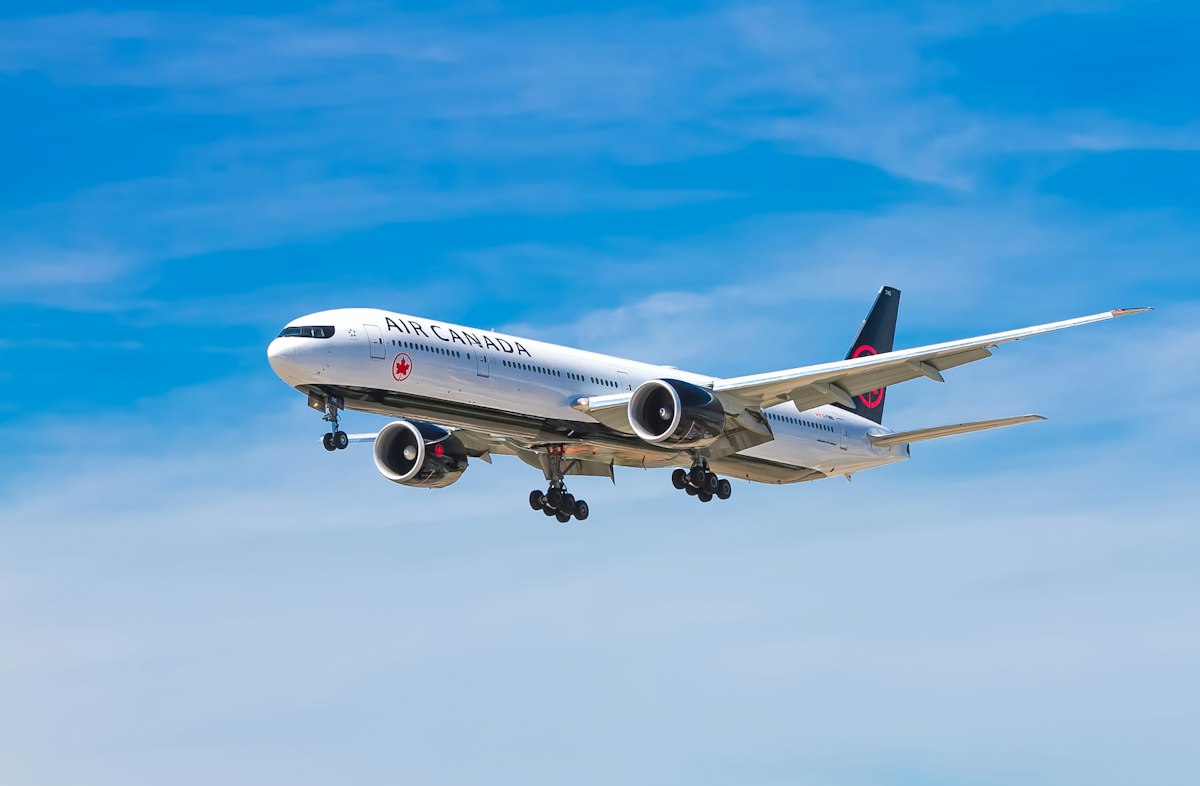
Albuquerque International Sunport (ABQ)
Probably should have led with this — ABQ is the one airport in New Mexico that most people will actually use. It’s the largest in the state by a wide margin and sits about three miles southeast of downtown Albuquerque. The Sunport (and yeah, they really do call it that — I love the name, honestly) handles millions of passengers each year and offers nonstop flights to a bunch of major U.S. cities.
The first time I walked through ABQ, I was struck by the Southwestern architecture. It doesn’t look like a generic airport terminal — there’s local artwork on the walls, shops selling New Mexican crafts, and restaurants where you can actually get a decent green chile plate before your flight. I had huevos rancheros there once at 6 AM and they were better than half the restaurants in my neighborhood back home.
Beyond commercial flights, ABQ also handles military and cargo operations. It’s a real workhorse airport for the state’s economy. The terminal itself is well laid out and I’ve never had a bad experience moving through it, even during busy holiday weekends.
Santa Fe Regional Airport (SAF)
Santa Fe Regional is tiny compared to ABQ, but if your destination is the capital city, it can save you a real headache. It’s about 10 miles southwest of downtown Santa Fe and offers limited commercial service — last I checked, you could get flights to Dallas and Phoenix, among a few other destinations. The route options change from time to time, so it’s worth checking before you plan around it.
What I genuinely liked about SAF was the speed. I landed, walked off the plane, and was in a rental car within maybe fifteen minutes. No long terminal walks, no baggage carousel anxiety. For a city that’s known for its arts scene and laid-back pace, having an airport that matches that energy feels right.
They’ve done some renovations in recent years to improve the passenger experience and expand the facilities a bit. It’s still small, but it works well for what it is. If you can find a flight that routes through SAF, it’s honestly worth considering over driving from ABQ, especially if you’re not planning to explore other parts of the state.
Roswell Air Center (ROW)
Yes, that Roswell. The airport has a pretty interesting backstory — it used to be Walker Air Force Base before it converted to a public airport. It sits about five miles south of town and handles a mix of commercial, cargo, and general aviation flights. Most commercial service connects through Dallas/Fort Worth, which is how I ended up there on that cheap fare I mentioned earlier.
Here’s the thing about Roswell Air Center that surprised me: they have massive aircraft storage and maintenance facilities. The concrete apron is enormous — big enough to park a huge number of planes. Airlines actually use it to store aircraft during slow periods when they don’t need their full fleet. I remember driving past the facility and seeing row after row of parked jets. It looked surreal, like an airplane parking lot that goes on forever.
For most travelers, ROW is primarily useful as a connection point to DFW and then onward. But if you’re heading to southeastern New Mexico, it saves you a long drive from Albuquerque.
Four Corners Regional Airport (FMN)
Four Corners Regional is up in Farmington, serving the northwestern corner of the state. I haven’t personally flown through this one, but I know people who have, and the story is mixed. Commercial service has been cut back over the years, though it still handles private and charter flights pretty well. Its location makes it convenient if you’re visiting attractions like Chaco Canyon or heading to the San Juan River for fly fishing.
There’s been ongoing discussion about restoring more regular commercial service, which would be a big deal for communities in that part of New Mexico. Getting to Farmington from Albuquerque is about a three-hour drive, so any direct flight options would be a real time-saver for residents and visitors alike. Last I heard, there were proposals floating around for adding more flights and improving amenities, but I’d check the current status before making any plans around it.
Lea County Regional Airport (HOB)
Lea County Regional sits in Hobbs, down in the southeastern part of the state. It primarily serves travelers heading to Houston, Texas, which makes sense when you realize this area is heavily tied to the oil and gas industry. A lot of the traffic through HOB is industry workers commuting between job sites and corporate offices in Houston.
The airport has invested in modernizing its facilities over the past few years — updated check-in counters, improved passenger lounges, that sort of thing. That’s what makes Lea County Regional endearing in a way: it’s a small airport that clearly cares about doing right by the people who use it, even if it’s never going to be a major hub. As the energy sector in that region continues to develop, HOB’s role as a connector keeps growing in importance.
General Aviation Airports Worth Mentioning
New Mexico has several smaller airports that don’t handle regular commercial flights but still matter for the state’s aviation picture:
Double Eagle II Airport (AEG) — Northwest of Albuquerque, this one acts as a reliever for the Sunport. It’s mainly used by private pilots and small aircraft operations. If you’ve ever flown a small plane in New Mexico, you probably know this field.
Taos Regional Airport (SKX) — Near the town of Taos, this airport accommodates private flights and seasonal commercial service during peak tourist seasons. If you’re heading to ski or visit the art galleries, it’s a convenient option when service is running.
Las Cruces International Airport (LRU) — Serves Las Cruces and primarily handles general aviation and military operations. There are proposals in place to expand commercial service, which would be a welcome development for a city of that size.
These smaller airfields collectively keep the state connected. They support private flying, business travel, and recreational aviation across what is, let’s be honest, a pretty vast and spread-out state. Not everything in New Mexico is within easy driving distance of Albuquerque, and these airports fill in the gaps.
How These Airports Shape the State
New Mexico’s airports punch above their weight when it comes to economic and tourism impact. They make it possible for businesses to operate, for tourists to reach places like Santa Fe and Carlsbad Caverns and White Sands without a full-day drive, and for goods to move in and out of the state efficiently. The tourism angle alone is significant — these airports are the front door for people coming to see everything from ancient pueblo ruins to modern art galleries.
They also have a cultural effect that’s easy to overlook. When you have decent air connections, you get more cultural exchange. People visit, they discover things about New Mexico they didn’t expect, and some of them come back or even relocate. I think that matters, even if it’s harder to quantify than passenger numbers and job figures.
Development continues at airports across the state, with ongoing efforts to improve facilities, add flight options, and make the travel experience better for everyone passing through. New Mexico’s aviation infrastructure isn’t flashy, but it’s functional, and it keeps a geographically large state with a relatively small population genuinely connected to the rest of the country.
Recommended Aviation Gear
David Clark H10-13.4 Aviation Headset – $376.95
The industry standard for aviation headsets.
Pilots Handbook of Aeronautical Knowledge – $25.42
Essential FAA handbook for every pilot.
As an Amazon Associate, we earn from qualifying purchases.