
I landed at Scottsdale Airport for the first time on a July afternoon, and the heat coming off the tarmac hit me like opening an oven door. Seriously, the ground crew was moving fast to get us to the FBO and I didn’t blame them one bit. But even soaked in sweat, I could tell this was a well-run operation. Nice facilities, quick turnaround, and that desert backdrop that makes everything look like a movie set.
The Basics
Scottsdale Airport goes by the identifier SDL, and it’s officially called Scottsdale Municipal Airport. It sits on about 282 acres in Northern Scottsdale, Arizona. The place started life in 1942 as Thunderbird Field II, a training airfield for Army Air Corps pilots during World War II. That’s a pretty solid origin story for an airport.
There’s one asphalt runway, designated 3/21. It runs 8,249 feet long and 100 feet wide, which gives you plenty of room for most general aviation aircraft and even larger business jets. No commercial airlines operate here. This is a GA and business aviation airport through and through.
Who’s Flying In and Out
Scottsdale handles a high volume of operations every year. Over 90% of the traffic is general aviation. The rest is a mix of air taxi services and the occasional military flight. The lack of commercial service is actually part of the appeal for a lot of pilots and passengers. No airline crowds, no long TSA lines. You fly in, you get handled by the FBO, and you’re on your way. I’ve done the commercial-to-GA comparison at nearby Phoenix Sky Harbor versus Scottsdale, and the difference in experience is night and day.
Facilities and FBOs
The airport has several Fixed-Base Operators that cover fueling, maintenance, hangar rentals, and passenger amenities. Pilot lounges, flight planning rooms, conference facilities. The whole nine yards. If you’re flying corporate, the FBOs here can arrange ground transportation, hotel bookings, catering, and basically anything else you need. I’ve seen FBO staff at Scottsdale handle last-minute requests that would stump operations at bigger airports. That’s what makes Scottsdale valuable to the business aviation crowd. The service level is genuinely high.
Economic Impact
This airport punches above its weight economically. More than 400 aircraft are based here, and there are dozens of aviation-related businesses on and around the field. The airport supports thousands of jobs, directly and indirectly, and contributes a significant chunk to the regional economy through tourism, business travel, and visitor spending.
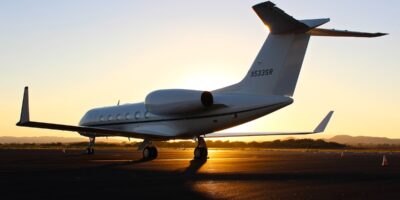
Corporate jets are a constant presence. A lot of companies and entrepreneurs prefer Scottsdale over the bigger commercial airports in the Phoenix metro area. Proximity to Scottsdale’s business centers and the quality of the facilities make it an easy choice. I talked to a charter pilot once who said he flies into SDL more than any other airport in Arizona. That says something.
Community and Events
The airport puts real effort into community engagement. They host open houses, airshows, and public tours throughout the year. The goal is to educate people about aviation and give the community a connection to the airport beyond just hearing planes overhead. I went to one of their open house events a few years back and was impressed by how well-organized it was. Kids loved it. Adults learned things. Win-win.
Airport management also works with local residents on noise concerns and environmental issues. It’s not always a smooth conversation. Airports and neighborhoods have a complicated relationship everywhere. But the effort to engage rather than dismiss is notable.
Environmental Efforts
Scottsdale Airport has been making moves on sustainability. Energy-efficient buildings, recycling programs, noise abatement procedures. They also encourage the use of sustainable aviation fuel, and several FBOs on the field offer SAF. For an airport that runs almost entirely on general aviation, that’s a meaningful step. It won’t solve everything, but it signals that the airport takes its environmental responsibility seriously.
What’s Coming Next
The airport master plan includes runway resurfacing, new hangar construction, and upgrades to taxiways and ramps. They’re also looking at improved navigation aids, better security measures, and advanced weather monitoring. All of it aimed at keeping the airport competitive and safe as demand grows. I’m curious to see the new hangars in particular. Space is always at a premium at popular GA airports.
Location and Getting There
SDL is in Northern Scottsdale, close to the city’s main commercial and residential areas. Downtown Scottsdale is a short drive. Phoenix and Tempe aren’t far either. Several highways run right to the airport, and there’s plenty of parking for both short-term and long-term use. Rental cars, taxis, and ride-share services round out the ground transportation options. I’ve never had trouble getting where I needed to go from SDL.
Weather
Arizona weather is generally pilot-friendly. Over 300 days of sunshine a year. Hard to argue with that for flying conditions. But summer heat is real. High temperatures reduce aircraft performance. Density altitude calculations become especially important from May through September. I’ve watched pilots add serious runway margin on hot days, and that’s the right call.
Monsoon season, typically July through September, can bring thunderstorms. They’re not everyday events, but when they show up, they mean business. The airport has procedures for handling severe weather, and the controllers do a good job of keeping things safe when conditions deteriorate.
Flight Training
Several flight schools operate at Scottsdale Airport, offering everything from private pilot certificates to advanced ratings. The weather makes it ideal for training. You get more flying days per year than almost anywhere else. Beyond pilot training, there are programs in aircraft maintenance, air traffic control, and aviation management. If you’re looking to build a career in aviation, Scottsdale is a strong place to start. Or continue, for that matter.
History
The World War II connection gives Scottsdale Airport a depth that a lot of newer facilities lack. It trained Army Air Corps pilots during the war, and that heritage is preserved through displays and artifacts around the terminal and grounds. Walking past some of those old photos and reading about the pilots who trained here puts things in perspective. Aviation has changed enormously, but the fundamental skill and courage required haven’t.
Traveler Conveniences
On-site dining, retail shops, comfortable waiting areas, free Wi-Fi, charging stations. The terminal handles the basics well. For international arrivals, customs and immigration services are available, which makes SDL a legitimate entry point for both business and leisure travelers coming from abroad.
Flight planning support is solid. Weather briefings, planning tools, and FBO staff who know the local airspace well. Concierge services through the FBOs can set up your entire ground experience, from car service to dinner reservations. I used the concierge once for a client meeting and it made the whole trip run smoother than I expected.
Emergency Response
The airport has its own Aircraft Rescue and Firefighting station with trained personnel on standby. They coordinate with local emergency services and run regular drills to stay sharp. Medical emergencies, severe weather events, and other contingencies all have plans in place. It’s the kind of thing you hope you never need but are glad exists.
Management and Governance
The City of Scottsdale operates the airport. Day-to-day management handles operations, maintenance, and planning. An advisory commission made up of community members and aviation professionals weighs in on policy and strategy. Everything operates under FAA regulations, which sets the baseline for safety and efficiency.
The Scottsdale Airpark
Right next to the airport sits the Scottsdale Airpark, one of Arizona’s largest employment centers. Over 2,500 businesses call it home, spanning tech, manufacturing, and everything in between. The proximity to the airport is a big draw for these companies. Having your office a few minutes from a runway that can handle business jets is a practical advantage that’s hard to replicate elsewhere. The relationship between the Airpark and the airport drives economic activity and innovation in a way that benefits the whole region.



Stay in the loop
Get the latest airport pin updates delivered to your inbox.