
I got curious about this whole world after watching a medical helicopter land at a hospital near my house and wondering: does that tiny rooftop pad have an actual airport code? Turns out, yes. It almost certainly does.
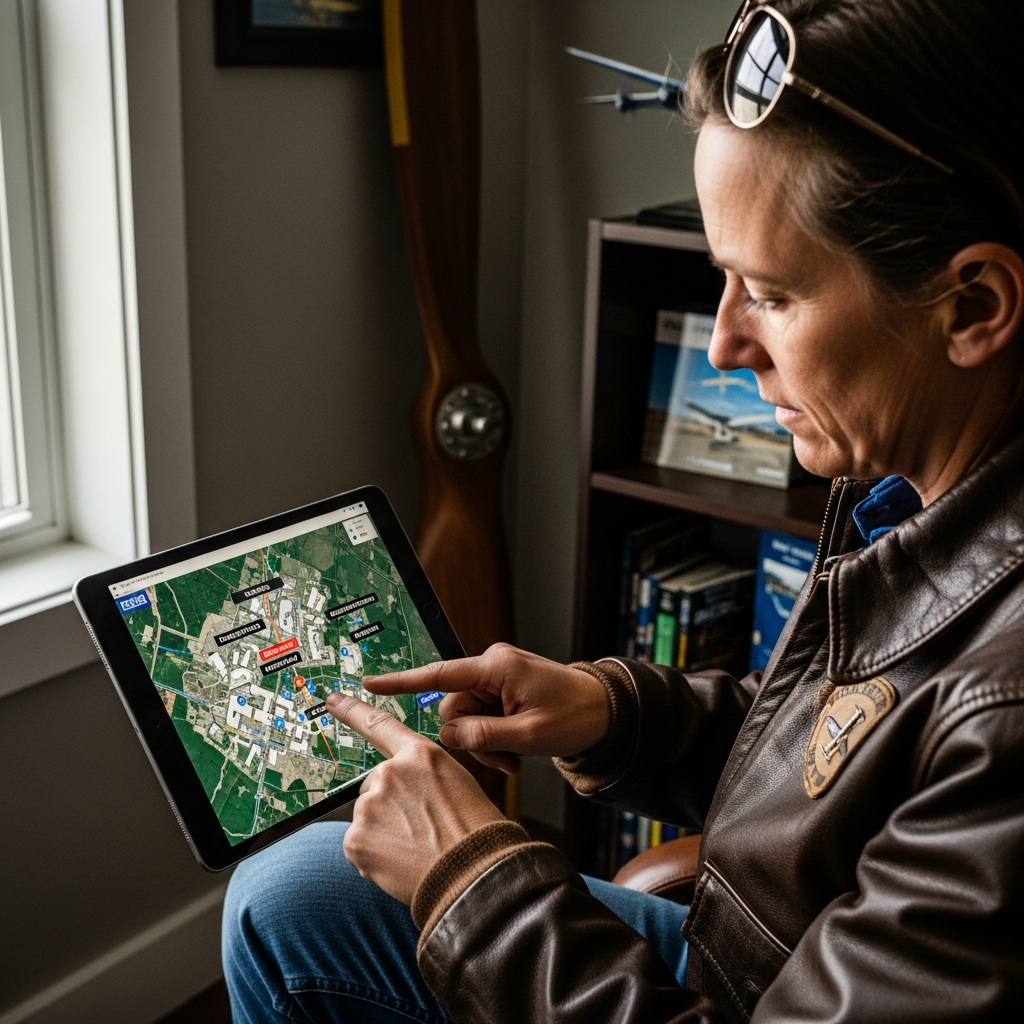
Hospital Heliports Are the Most Important Ones
Let’s start here because this is the category where codes actually save lives. Hospital heliports serve air ambulances, and when a flight paramedic calls in that they’re inbound, they reference the heliport’s official code. No ambiguity. No confusion about which hospital in a metro area. Just the code.
These codes get assigned by the FAA or state aeronautical authorities, and they typically follow a format that includes location identifiers and sometimes sequential numbers. Medical helicopter pilots — the ones flying trauma and organ transport missions — memorize every hospital heliport code in their service area. I talked to one once at an airshow and he rattled off maybe fifteen codes without pausing. Said it was like knowing phone numbers used to be. the coding system for heliports isn’t some bureaucratic afterthought. For EMS crews, it’s a real operational tool they rely on constantly.
Corporate Heliports Are a Whole Different Scene
Big companies that operate helicopter fleets — energy companies, media corporations, some financial firms — need coded facilities at their headquarters, plants, and executive campuses. These codes show up in aviation databases just like regular airports. Pilots file flight plans to them, access instrument approach procedures where they exist, and coordinate with air traffic control using them.
I find this one kind of fascinating because most people who work at these companies have no idea there’s an aviation code assigned to the little concrete pad on their corporate campus. It’s registered, it’s in the system, and helicopters navigate to it by code just like a 747 navigates to JFK. The scale is different but the infrastructure logic is the same.
Private Heliports — Yes, Those Exist Too
If you’ve got enough land, enough money, and a reason to have a helicopter come and go, you can request an official heliport code from the FAA. Private estates, ranches, even some island properties have them. It’s not required if you’re only doing visual flight rules operations — basically flying by sight in good weather — but it opens up options.
With an official code, you can get instrument approach procedures designed for your heliport. You can integrate with air traffic services. Your heliport shows up on charts. There are requirements though — lighting standards, markings, obstacle clearance. You can’t just paint an H on your driveway and call it official.
How Heliport Codes Are Formatted
The FAA uses specific letters and number combinations reserved just for heliports, so they don’t get confused with fixed-wing airports in flight tracking systems. Dispatchers and flight followers can monitor helicopter movements across the system, whether it’s a trauma hawk heading to a hospital roof or an executive shuttle landing at a corporate campus. Same database, same tracking infrastructure, very different operations.




Stay in the loop
Get the latest airport pin updates delivered to your inbox.